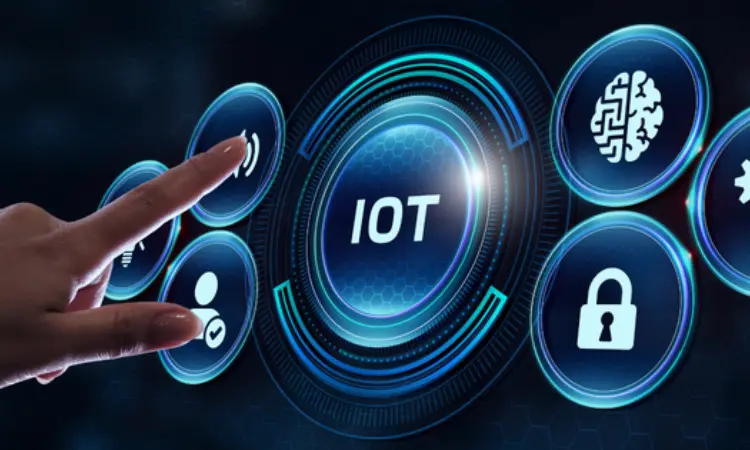
The Internet of Things connects nearly everything from cars and thermostats to cameras and doorbells. But this massive connectivity brings a new level of risk. Each connected device can become a potential entry point for cyberattacks.
In 2025, IoT security is not just about protecting data; it’s about protecting trust. Here are some of the most impactful IoT breaches in recent years, along with the lessons that can help prevent future incidents.
TL; DR: Quick Takeaways
- Most IoT breaches stem from weak passwords, outdated firmware, or misconfigured cloud access.
- Attacks like Mirai and Verkada exposed millions of devices globally.
- Manufacturers are adopting stronger encryption, firmware validation, and zero-trust architectures.
- AI-driven anomaly detection is emerging as a key layer of IoT defense.
- Human awareness and secure onboarding are as critical as hardware security.
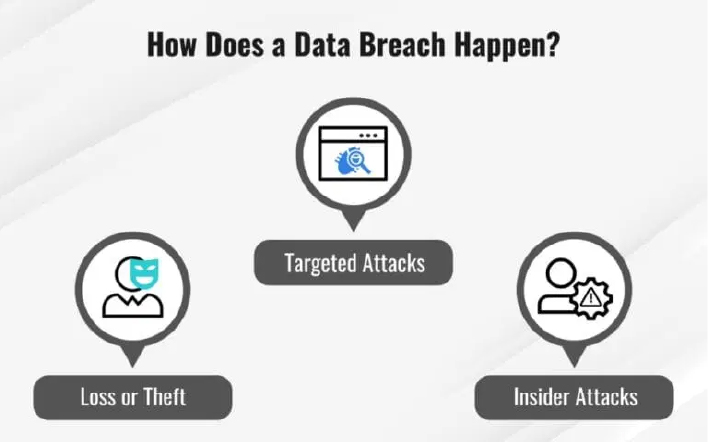
Why IoT Security Matters More Than Ever
By 2025, the number of IoT devices worldwide is expected to surpass 15 billion, and this figure is projected to double by 2030 (Statista).
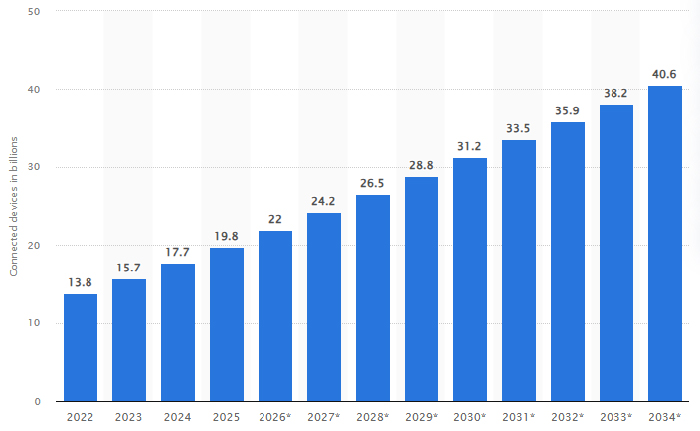
From smart cities to connected cars, every node is a potential target. Breaches now have physical consequences, shutting down hospitals, vehicles, or even energy grids. Protecting IoT infrastructure has become essential to safeguarding public safety and privacy.
For a deeper look into how data protection technologies are evolving, read How to Use AI to Enhance Data Privacy: Tools and Techniques.
Case Study 1: The Mirai Botnet (2016)
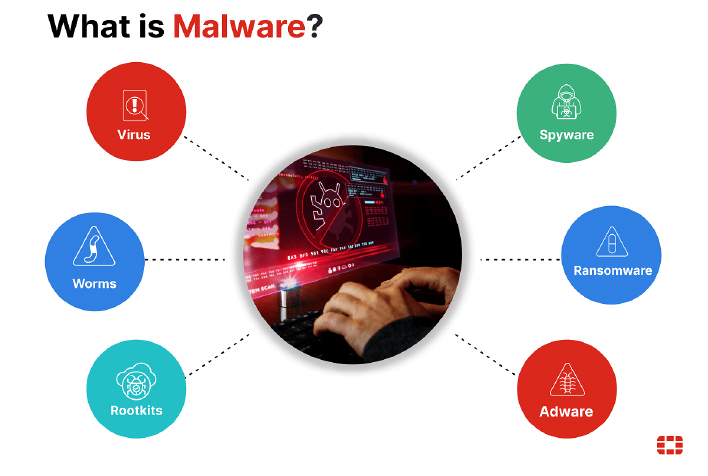
The Mirai Botnet attack remains one of the most defining moments in IoT security. In 2016, malware infected hundreds of thousands of IoT devices, mainly cameras and routers, by exploiting default passwords. These infected devices were used to launch one of the largest DDoS attacks ever recorded, disrupting services like Netflix and Twitter.
What went wrong:
- Devices shipped with default credentials
- Open Telnet ports expose devices to remote hijacking.
Lessons learned:
- Enforce password resets during setup
- Disable unused ports and services
- Automate firmware updates
Read a detailed breakdown of this historic attack in Wired’s analysis (Wired).
Case Study 2: The Verkada Camera Breach (2021)
In 2021, hackers infiltrated Verkada, a major provider of cloud-based security cameras. They accessed live feeds from more than 150,000 cameras across hospitals, factories, and offices.
What went wrong:
- A leaked admin password provided superuser access
- Weak internal access policies allow unrestricted visibility.
Lessons learned:
- Implement role-based access control (RBAC)
- Enforce credential rotation and audit logs.
- Limit third-party API permissions.
As reported by Bloomberg, the breach exposed footage from companies including Tesla and Cloudflare (Bloomberg).
Case Study 3: Jeep Cherokee Remote Hijack (2015)
In a now-famous ethical hacking experiment, researchers remotely took control of a Jeep Cherokee’s braking and transmission systems using vulnerabilities in its infotainment software.
What went wrong:
- No segmentation between entertainment and control systems
- Unsecured wireless communication exposed entry points
Lessons learned:
- Separate critical and non-critical system networks
- Sign and validate all firmware and OTA updates.
- Test IoT devices under simulated attack conditions
The incident led Fiat Chrysler to recall 1.4 million vehicles and permanently changed automotive cybersecurity standards (CNN).
Case Study 4: Amazon Ring and Home Privacy (2019–2020)
The Ring camera breaches highlighted the risks of consumer IoT systems when user security practices are weak. Attackers accessed cameras by guessing passwords and exploiting shared credentials.
What went wrong:
- Weak or reused passwords
- Lack of two-factor authentication (2FA)
Lessons learned:
- Require 2FA by default
- Use local encryption for sensitive media.
- Educate users about credential reuse.
In response, Amazon added stronger security defaults and end-to-end video encryption (The Verge).
Key Patterns and Lessons Learned
Across all these cases, recurring security flaws emerge:
- Weak authentication remains the easiest attack vector
- Firmware updates are often ignored or delayed.
- Overreliance on cloud management increases exposure.
- Device visibility and logging are frequently lacking.
Manufacturers are now embracing zero-trust frameworks, endpoint validation, and AI-driven anomaly detection to monitor device health continuously.
For a related exploration of how mobile technology and indexing shifts are redefining digital strategy, see How the Shift to Mobile-First Indexing Has Redefined SEO Practices.
Designing a Safer IoT Ecosystem
Security by design should start before the product reaches users. Key best practices include:
- Encrypt all device communication using TLS 1.3 or higher
- Digitally sign firmware to prevent tampering.
- Enforce least-privilege access for users and devices.
- Enable automatic patch management.
- Isolate IoT devices on dedicated networks
Organizations that embed these principles early will mitigate most known attack vectors and improve user trust.
What the Future Holds for IoT Security
Governments are introducing stricter frameworks, including the EU Cyber Resilience Act and the US IoT Cybersecurity Improvement Act (ENISA).
Emerging developments include:
- Embedded AI for real-time threat isolation
- Blockchain-based device identity management
- Privacy-first IoT ecosystems with local data processing
By 2026, devices that can detect and self-heal vulnerabilities will become the new standard.
Protecting Trust in a Connected Future
Every IoT breach is a reminder that innovation and security must grow together. Connectivity is only valuable when users can trust it.
The companies that build transparent, secure, and privacy-first IoT systems will define the next decade of the connected world.