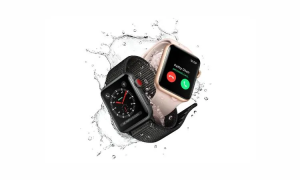
Once seen as a luxury gadget, the smartwatch has become one of the most influential pieces of wearable tech. In 2025, it’s no longer just about counting steps or checking notifications; it’s about real-time health monitoring, AI-driven insights, and seamless connectivity across all your devices.
Smartwatches have evolved into personal hubs for health, productivity, and digital life. Let’s explore how they got here and what innovations are setting the pace this year. Lets deep dive in Rise of Smartwatches and Their New Features
TL; DR: Key Takeaways
- Smartwatches are now mini health platforms powered by AI.
- Integration with IoT and smart homes allows real-time control and syncing.
- Features like non-invasive glucose tracking, satellite connectivity, and gesture control are defined in 2025.
- Data privacy and battery efficiency remain top priorities.
How Smartwatches Became the Heart of Wearable Tech
The global smartwatch market is expected to reach $73.6 billion by 2030, growing steadily as more consumers prioritize connected health and convenience (Statista).
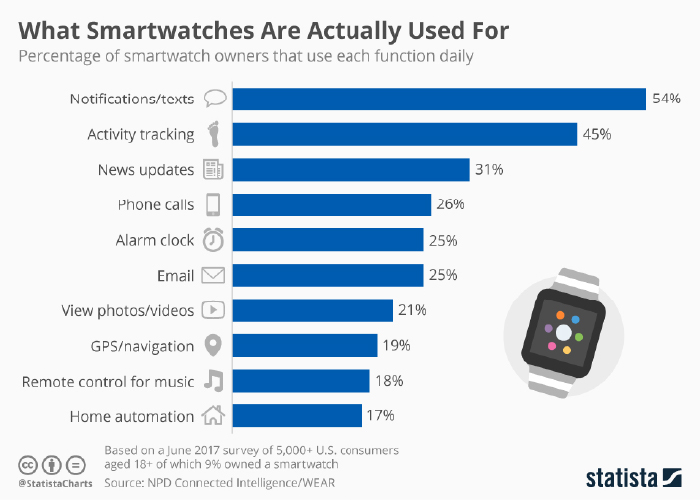
Initially launched as smartphone companions, modern smartwatches now operate independently, equipped with eSIMs, GPS, and advanced biosensors. AI algorithms analyze metrics like heart rate variability, oxygen saturation, and stress levels to deliver proactive wellness insights.
For a related look at how connected devices are shaping automation and IoT ecosystems, see The Future of Smart Home Automation: Key Trends for 2025.
Health Tracking: From Steps to Full Diagnostics
Today’s smartwatches do far more than track calories. They detect irregular heart rhythms, monitor blood oxygen, and even assess sleep cycles using motion and oxygen data.
2025’s biggest health-tracking innovations include:
- Blood glucose monitoring: Non-invasive optical sensors let diabetics monitor glucose levels seamlessly (The Verge).
- Stress detection through HRV and skin sensors: Devices like the Fitbit Sense and Apple Watch Series 10 use electrodermal activity to assess stress levels.
- Sleep apnea detection: Smartwatches can flag breathing disruptions during sleep and prompt medical follow-up (Medical News Today).
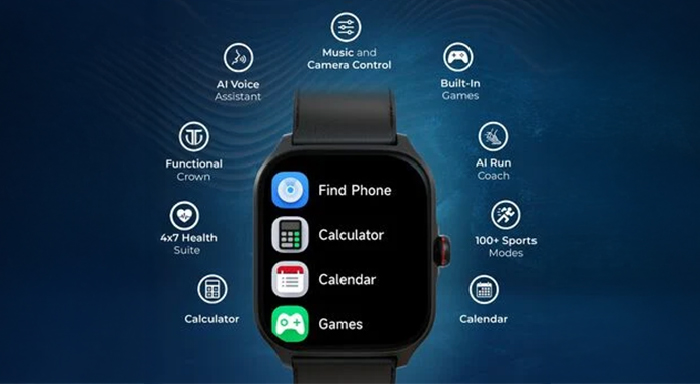
Source: Krishna
By offering continuous, passive monitoring, smartwatches bridge the gap between personal wellness and preventive healthcare.
Smarter Connectivity: The IoT Factor
In 2025, smartwatches aren’t just accessories; they’re IoT controllers. From unlocking doors to adjusting thermostats, your watch now connects with your entire smart ecosystem.
Integration with Matter-enabled devices allows universal compatibility across brands and operating systems. You can start your car, dim your lights, or answer your video doorbell straight from your wrist.
To see how interoperability is transforming everyday tech, explore Integrating Different Smart Home Systems: Tips and Best Practices.’
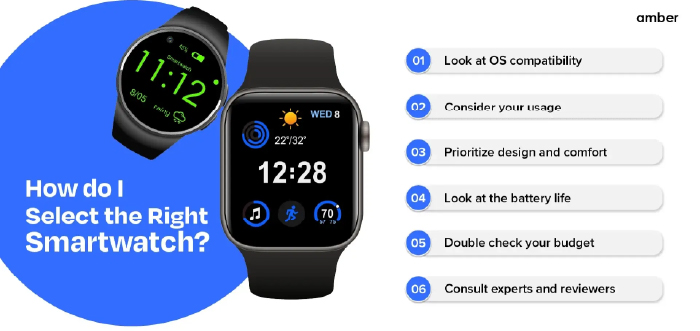
Source: Amber Student
Communication Without Limits
Thanks to satellite connectivity, smartwatches can now send messages or share locations even in areas without mobile coverage. Apple, Samsung, and Huawei are competing to make a global SOS messaging standard for all flagship devices.
In addition, eSIM integration allows users to leave their phones behind while maintaining full access to calls, streaming, and navigation.
Gesture and Voice Control: The Next UX Revolution
Voice assistants like Siri, Google Assistant, and Bixby have become standard. But 2025 brings another leap forward in gesture-based navigation.
By tracking micro-movements of the wrist, users can scroll, tap, or answer calls with simple flicks. This intuitive control makes wearable interaction faster and more natural than ever (Android Authority).
The Ongoing Challenge: Battery Life and Data Privacy
Despite smarter hardware, battery life remains the biggest barrier to innovation. Manufacturers are tackling this with new solid-state batteries and AI-powered energy optimization.
Meanwhile, privacy remains a global concern. Continuous data collection demands transparency and encryption. Apples and Samsung’s new privacy dashboards give users full control over health data storage and sharing
The Future: Beyond Health and Connectivity
By late 2025, smartwatches move deeper into biometric identity verification, real-time translation, and adaptive AI. Some concept models already use AI-driven prediction, adjusting displays or notifications based on your habits, mood, and environment.
Analysts predict that wearable AI assistants will eventually sync across phones, cars, and home devices, forming an always-present digital companion.
Smartwatches Are Becoming Digital Extensions
Smartwatches have evolved from novelty gadgets into personal command centers. With AI, health insights, IoT integration, and privacy-first design, they represent the most human form of technology yet personal, proactive, and powerful.
The smartwatch is no longer just wearable tech. It’s a lifestyle operating system.