Smart homes are evolving at a faster pace than ever. In 2025, automation will become more intelligent, interoperable, and predictive. From voice control to adaptive energy management, the next wave of smart home tech focuses on anticipating needs rather than just executing commands.
Here’s what to watch in smart home automation this year.
TL; DR: Quick Takeaways
- AI and machine learning enable predictive automation.
- Interoperability (Matter, IP-based standards) reduces silos and friction.
- Voice and gesture fallbacks strengthen smarter control.
- Energy optimization and grid integration grow in importance.
- Privacy and edge computing become fundamental, not optional.
Why Smart Home Automation Matters Now
Homes are no longer passive dwellings; they can sense, adapt, and respond. By 2025:
- IDC forecasts that worldwide shipments of smart home devices will surpass 1.4 billion units by 2025, reflecting double-digit growth (BusinessWire).
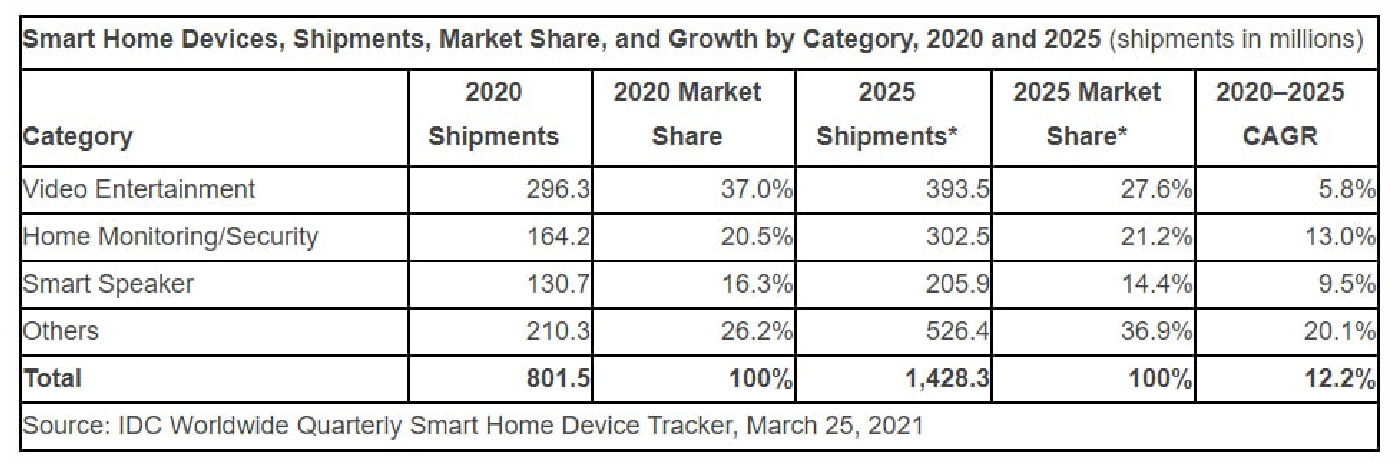
- Market forecasts show smart home automation revenue climbing rapidly as devices diversify.
- The rise of Matter and new interoperability standards breaks down vendor barriers (Wikipedia).
These shifts are turning smart homes into cohesive ecosystems, not disjointed gadgets.
Trend 1: Predictive & AI-Driven Automation
Instead of waiting for commands, homes should anticipate your needs. In 2025:
- Thermostats learn your schedule and prep the home temperature before you return.
- Lighting adapts not just to presence but to activity (movie mode, reading, etc.).
- AI models suggest adjustments in response to weather, energy rates, or personal routines.
Smart assistants will raise alerts like “You left windows open” or “Time to restock essentials,” all deduced from patterns.
Trend 2: Interoperability & Unified Standards
Fragmented ecosystems frustrate users. The push toward standards like Matter and IP-based communication is key.
- Devices from different brands will work together seamlessly.
- Setup becomes plug-and-play rather than brand-locked.
- New entrants won’t have to build proprietary hubs, reducing friction and cost.
Matter is finally delivering on the promise of cross-brand compatibility, making the smart home vision more practical for consumers (Wired).
Trend 3: Multimodal Control: Voice, Touch & Gesture
Voice control is great until noise or accents interfere. In 2025:
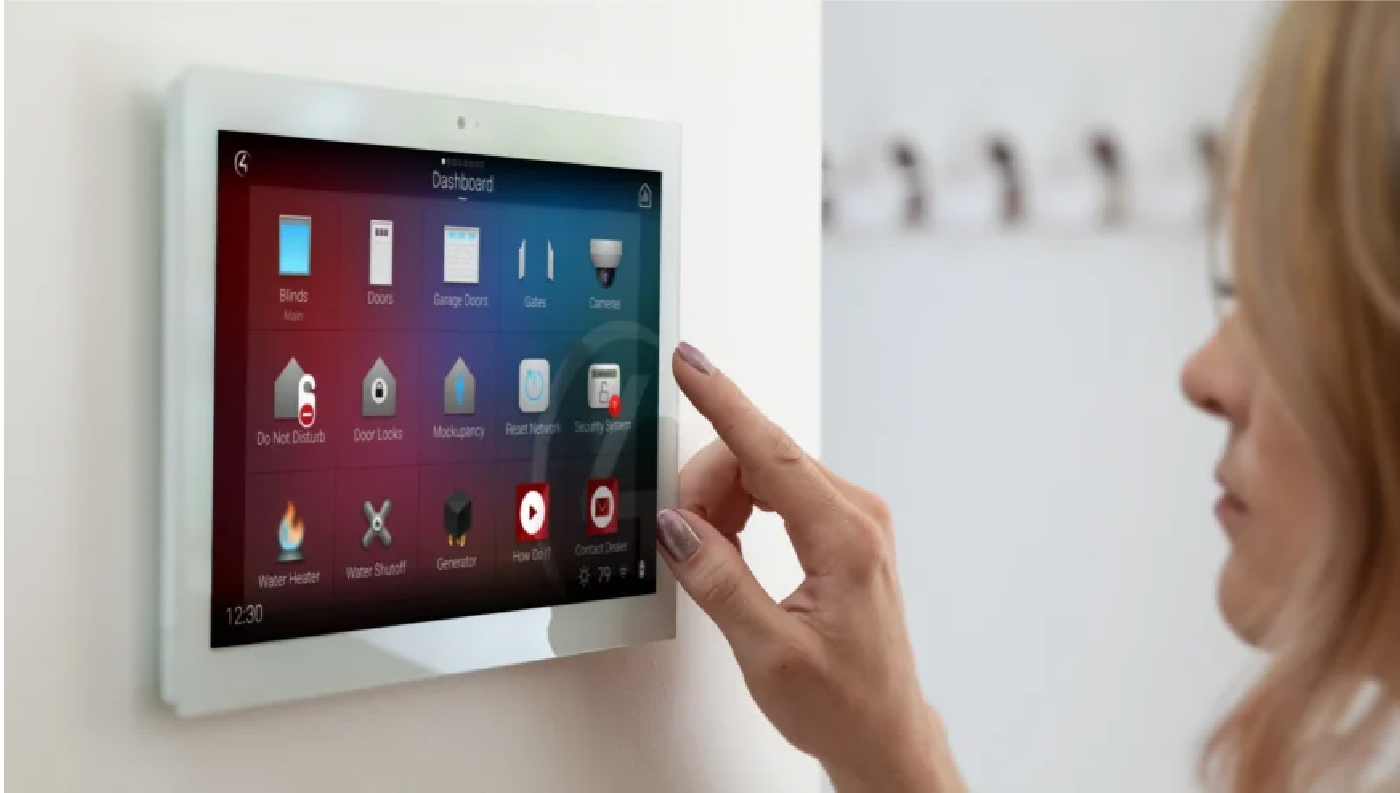
- Gesture, proximity, and glance-based controls will back up voice commands.
- Smart surfaces (mirrors, tables) become interactive touch interfaces.
- Voice-only AI must be augmented with fallback modes for robustness.
Control should feel intuitive regardless of how you interact.
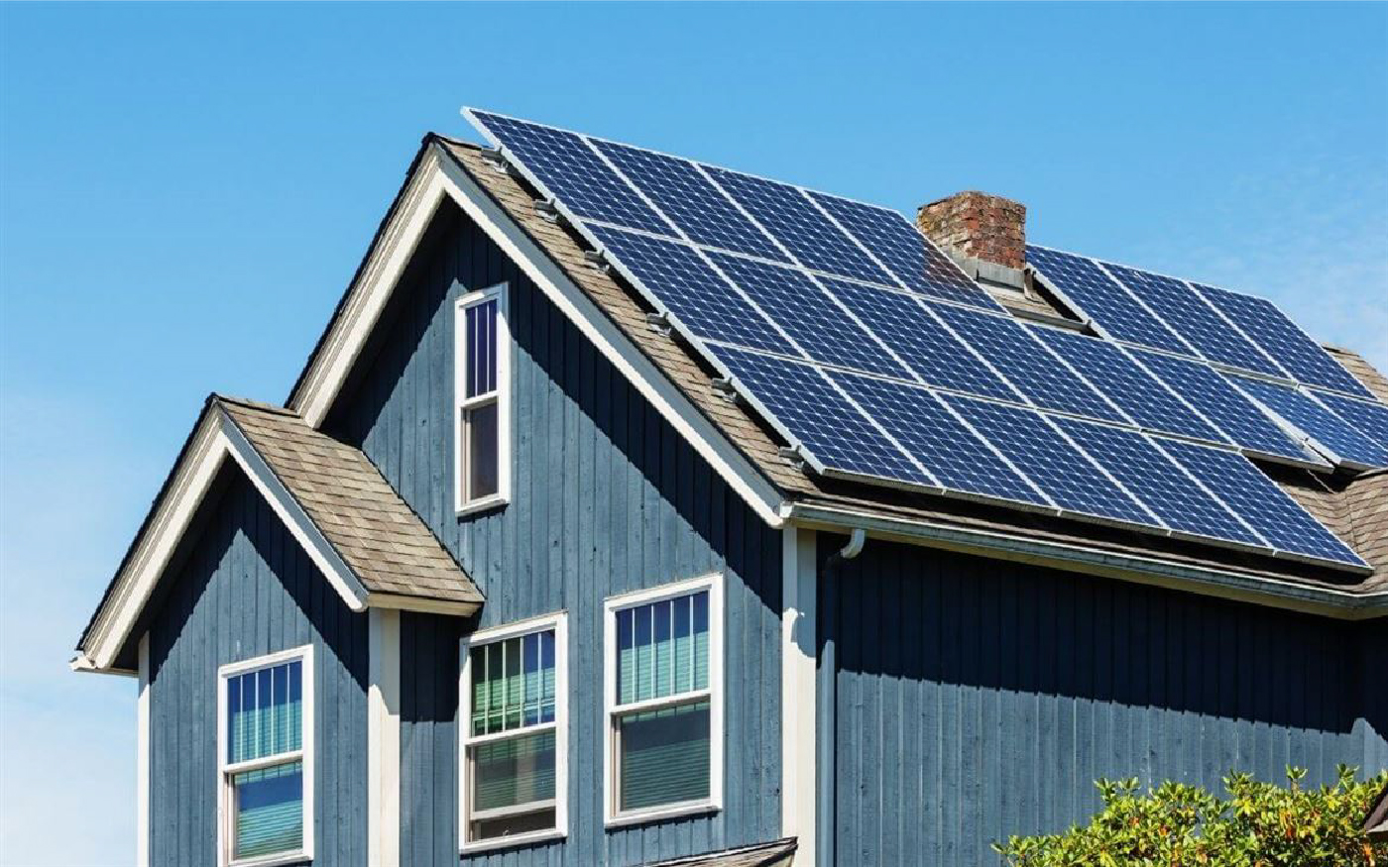
Trend 4: Smart Energy & Grid Integration
Homes won’t just consume, they’ll interact with the grid.
- Smart devices will optimize power use based on real-time rates.
- Home batteries and EV chargers will act as energy buffers supporting the grid.
- Demand response programs let homes reduce usage during peak stress periods.
This trend turns smart homes into microgrid participants, enabling sustainability and savings.
Trend 5: Privacy, Edge Computing & Security
With more automation comes more risk. The future demands safer homes by default.
- Edge computing ensures data processing happens locally, not in the cloud.
- Devices will adopt zero-trust models, verifying each command and trust boundary.
- Onboarding flows enforce least-privilege access, limiting device permissions.
- AI-driven anomaly detection will flag unusual behaviour (e.g., phantom motion, unauthorized control) instantly.
Privacy becomes a selling point, not an afterthought.
Trend 6: Automation in Health, Wellness & Accessibility
Automation steps beyond convenience into care.
- Smart lighting, blinds, and sound adapt to circadian rhythms for better sleep.
- Environmental sensors (air quality, humidity) trigger fresh air or humidifiers.
- Assistive modes for neurodivergent or mobility-impaired users let homes respond to needs, not commands.
Lighting isn’t just functional; it shapes mood and well-being. Our piece on Dark Mode UX: Why Users Are Choosing Darker Interfaces highlights how visual choices can influence comfort, something smart lighting systems can emulate automatically.
Platform Examples & What’s Already Happening
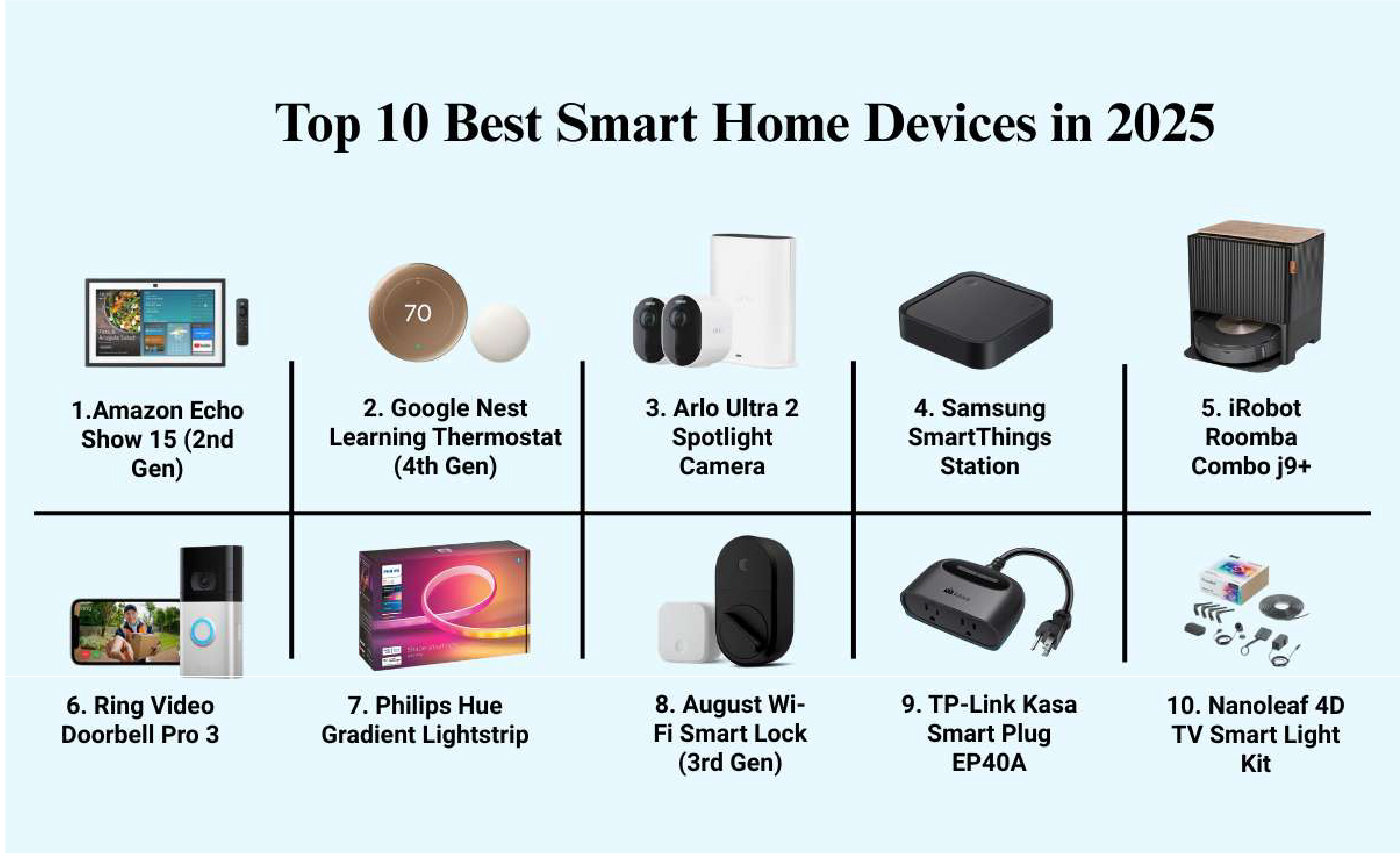
- Google Home / Nest uses machine learning to auto-adjust thermostats.
- Apple HomeKit + Matter device ecosystems are gaining traction, offering cross-brand compatibility.
- Ecobee’s SmartThermostat monitors occupancy and forecasts weather-driven adjustments.
These early signals hint at how blueprints for automation will expand across more device types.
Best Practices for Smart Home Builders & Brands
- Build for interoperability first.
Prioritise open standards and protocols over closed ecosystems. - Design for graceful failure
Voice should degrade into fallback modes when needed. - Privacy by design
Edge processing, minimal data collection, and strict access control are core, not optional. - Test for real-world complexity
From network drops to accents and ambient noise, test your systems in messy homes, not labs. - Design inclusive UX flows.
Offer subtle light cues, motion gestures, or haptic feedback for accessibility. Pairing automation with The Impact of Data-Driven UX Design on Website Success helps ensure systems remain intuitive. - Model for scalability
Support thousands of devices and layered automation dependencies without performance bottlenecks.
Why This Matters to Homeowners & the Industry
Smart home automation is evolving from novelty to necessity. As systems get smarter, consumers expect their homes to anticipate preferences, optimize for cost and health, and provide frictionless control.
Consumers also expect seamless experiences across screens and devices. Lessons from ecommerce, such as How Responsive Design Shapes Ecommerce in 2025, show how adaptability reduces friction, a principle equally vital in smart home automation.
For brands, the winners will be those who build not just smart devices, but future-ready platforms built on openness, security, and purpose.
Welcome to the era where your home isn’t just “on” or “off,” it’s aware, adaptive, and aligned with how you live.