
Visual search is reshaping digital discovery. Instead of typing queries, users now upload photos or snap images to find what they want instantly. Platforms like Google Lens, Pinterest Lens, and Amazon StyleSnap are making visual-first browsing the norm.
For marketers, this shift means rethinking ad design. Success no longer depends on catchy copy alone; it depends on how well your images are built for both people and algorithms.
Here’s how you can determine The Impact of Data Driver UX Design on Website Success.
TL; DR: Quick Takeaways
- High-resolution, clutter-free product images improve AI matching.
- Contextual lifestyle photography boosts engagement and discovery.
- Metadata, alt text, and product tagging drive visibility.
- Multiple ad variants (product-only, lifestyle, flat-lay) widen reach.
- Each platform (Google, Pinterest, Amazon) requires tailored optimisation.
Why Visual Search Is a Game Changer
- A growing number of shoppers want visual-first browsing, and visual search adoption is expected to surge over the next five years.
- Pinterest has been at the forefront of visual discovery, regularly updating Lens with more AI-powered features (TechCrunch).
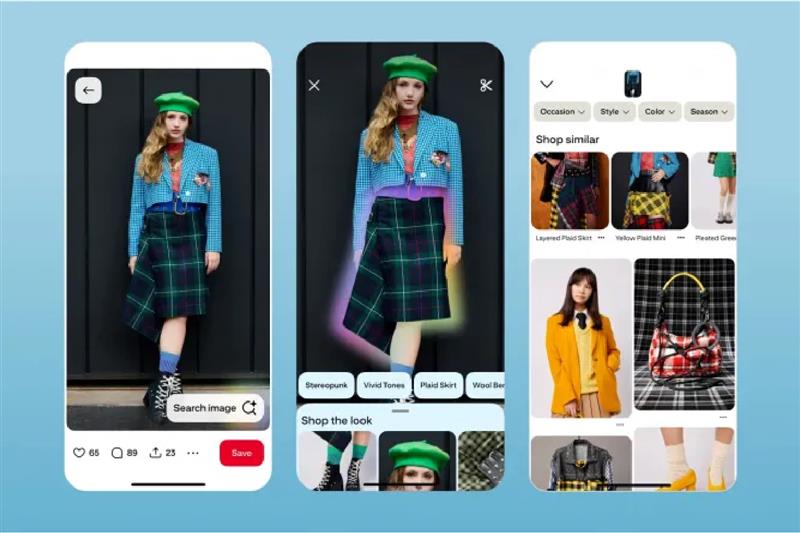
The takeaway? Users expect products to be discoverable by image, not just by keywords. Brands that adapt their ad design for visual search will capture customers earlier in the buying journey.
Core Principles for Designing Visual Search Ads
1. High-Quality Product Imagery
AI recognition thrives on clarity. Use sharp, well-lit product shots with minimal backgrounds. Capture multiple angles to maximise matching accuracy.
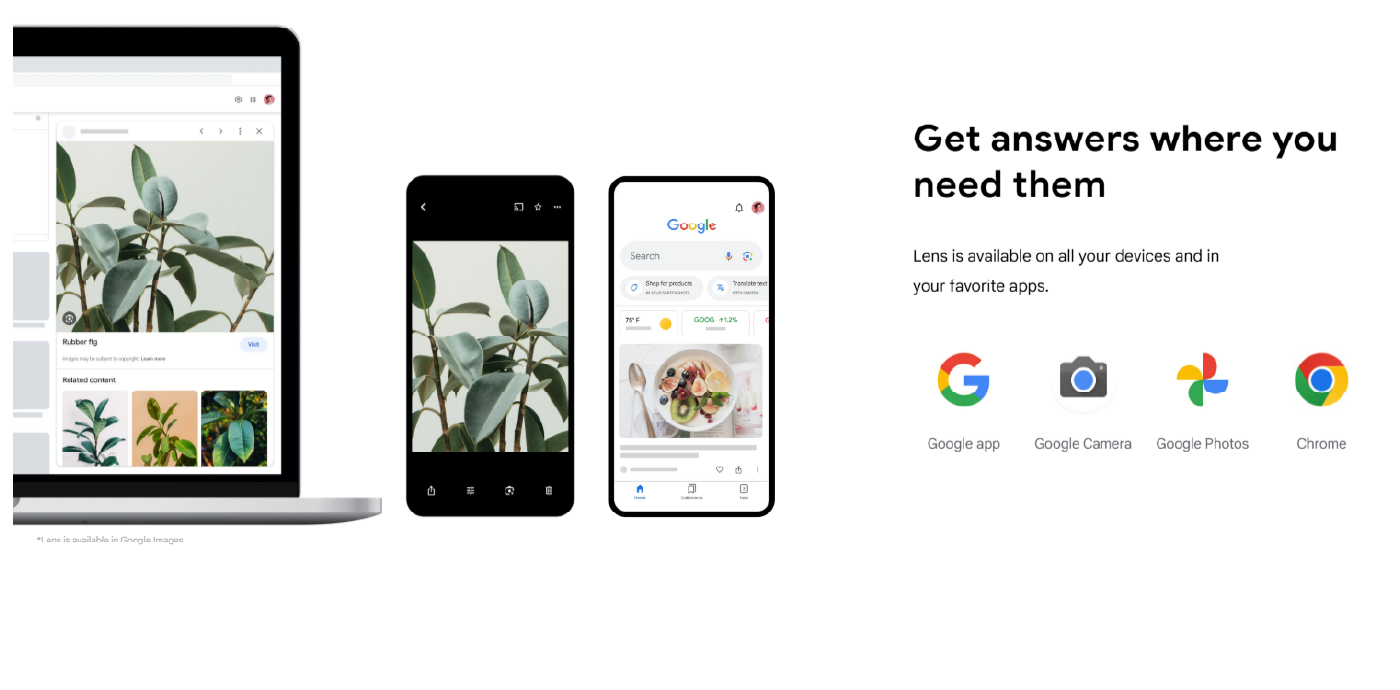
Example: Google Lens works best with high-quality images that clearly show the product.
2. Contextual & Lifestyle Photography
Lifestyle images show products in use, helping both AI and humans understand context. For fashion ads, that could mean showing shoes styled with an outfit; for home goods, placing furniture in a full-room setting.
3. Consistent Brand Identity
Maintain a visual style of colours, filters, and typography that makes your ads recognisable at a glance. Consistency builds brand recall in crowded visual feeds.
4. Metadata and Alt Text Optimisation
Even in visual-first search, text matters. Use descriptive alt text and filenames like “black-leather-laptop-backpack.jpg” so platforms index products correctly.

5. Smart Cropping & Ratios
Keep products fully visible with clean cropping. Stick to common aspect ratios to avoid cut-offs across devices.
6. Multiple Ad Variants
Flat-lay images, product-only shots, and lifestyle creatives each serve different use cases. Test them in campaigns to see which resonates most with your audience.
Platform-Specific Best Practices
| Platform | Strengths | Best Practices |
| Google Lens | Global reach, tied to Google Shopping | High-res product images + structured product data |
| Pinterest Lens | Discovery-focused audience | Lifestyle shots + vertical image formats |
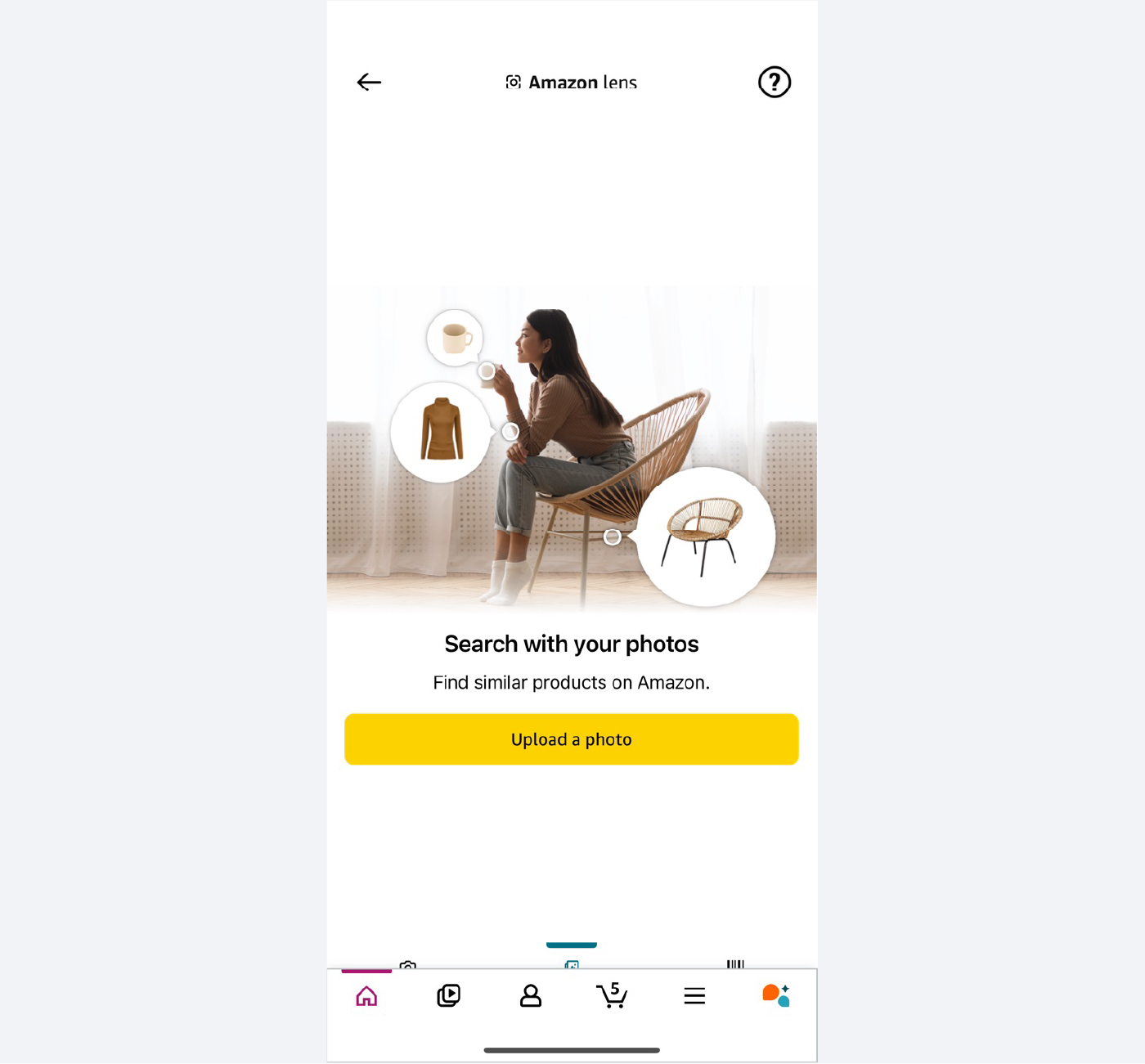
| Amazon StyleSnap | High purchase intent | Clean catalog consistency + accurate product listings |
Running Effective Campaigns
- Organise your product catalog: Ensure names, tags, and variants are structured.
- Tag images with attributes: Colour, material, size, and style help platforms match more accurately.
- Integrate with platform feeds: Upload into Google Merchant Center, Pinterest Catalog, or Amazon product listings.
- Test creatives in small batches: Identify which visuals drive the most impressions and clicks.
- Track new performance metrics: Beyond CTR, monitor visual match rates and appearance frequency.
- Refine continuously: Replace underperforming visuals with better-optimised ones.
UX & Conversion Strategy
Effective visual ads bring users to your site, but the post-click experience determines conversions. Responsive design ensures that visitors from visual platforms engage seamlessly. See our article on How Responsive Design Shapes Ecommerce in 2025 for strategies to reduce bounce and boost checkout rates.
For more on design psychology, check out Why Users Are Choosing Darker Interfaces, which shows how visual choices influence user trust, a crucial factor in visual search performance.
Best Practices at a Glance
- Use crisp, multi-angle product shots.
- Add contextual lifestyle images.
- Optimise metadata, tags, and alt text.
- Test different ad variants.
- Adjust for platform-specific requirements.
The Future of Visual Search Advertising
- AI-driven image recognition will keep improving, making product tagging even more vital.
- Shoppable images will dominate retail platforms, turning ads into direct storefronts.
- Hyper-personalisation will grow, with recommendations tailored to the user’s search history.
- Accessibility features like AI-enhanced alt text will broaden reach to more users.
But beware: users disengage quickly if ads feel misleading or irrelevant. Transparency and authentic representation remain key.
Visual Ads in 2025: Designed to Be Discovered
Visual search isn’t a passing trend; it’s becoming a default way to shop. Brands that optimize their ads with clean imagery, contextual variety, and rich metadata will win in this discovery-driven era.
The challenge isn’t just making images look good; it’s making them discoverable, relevant, and conversion-ready.