


Customer experience (CX) is the battleground where brands win or lose loyalty. In 2025, artificial intelligence is no longer a sidekick; it’s driving smarter, faster, and more personalized interactions at every touchpoint.
Let’s break down how AI is transforming CX, what each shift means for you, and why it matters.
1. Hyper-Personalized Interactions
AI analyzes behavior, purchase history, and micro-signals, such as browsing patterns, to tailor experiences in real-time. Instead of generic promotions, customers see product suggestions, messages, and offers that feel made for them.
Personalization reduces decision fatigue, increases relevance, and boosts conversions. According to Bloomreach, businesses using AI for personalization see measurable revenue gains.
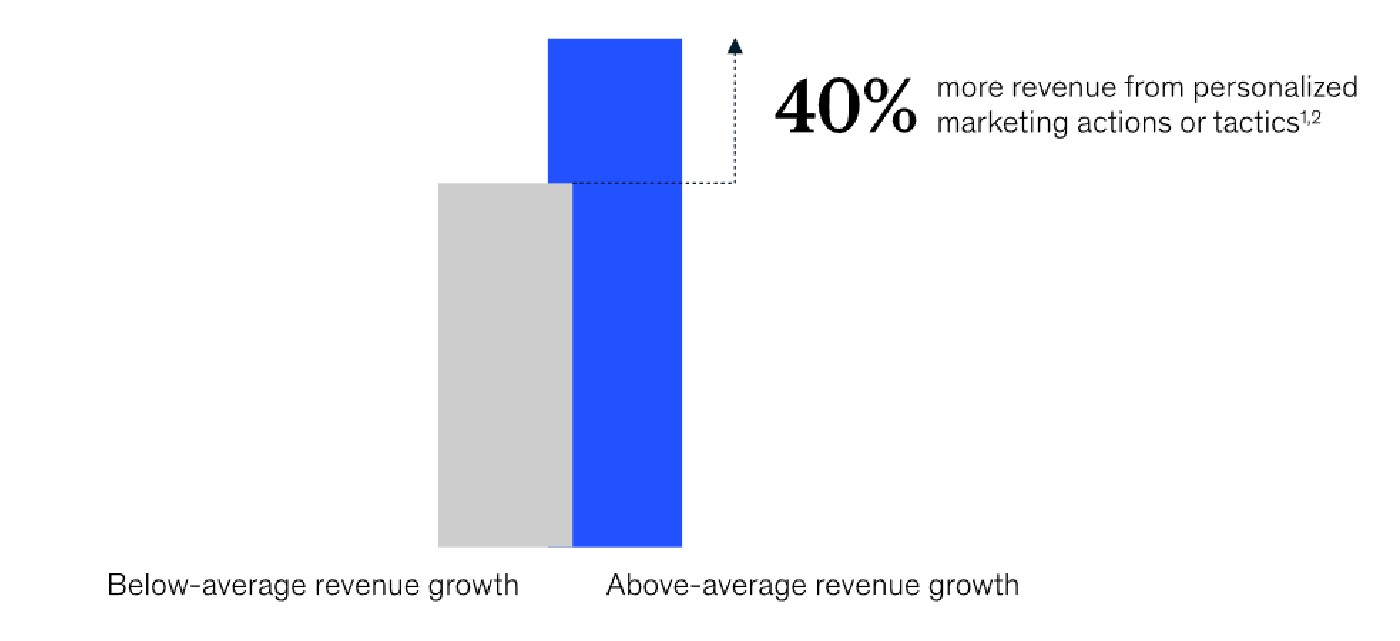
Fast-growing companies generate 40% more revenue from hyper-personalization than slower rivals, according to McKinsey. The difference comes from how they use customer data, turning insights into timely, tailored solutions that meet individual needs at the right moment.
 Web
Web2. 24/7 Conversational Support
AI-powered chatbots and voice assistants now handle routine queries with natural, human-like conversation. Customers get instant answers at midnight, on weekends, or while commuting, with no waiting in a call queue.
Faster resolution increases satisfaction and lowers support costs. Zendesk reports that AI support frees human agents to handle complex cases where empathy and nuance are essential.
3. Proactive Engagement
Predictive AI spots early signals of frustration (like abandoned carts or long inactivity) and triggers timely interventions. Instead of waiting for customers to complain or leave, you reach out before issues escalate.
Proactivity prevents churn and strengthens loyalty. IBM highlights proactive engagement as one of the top CX differentiators in 2025
4. Omnichannel Consistency
AI unifies customer data across channels, apps, websites, social, and in-store, so experiences feel seamless, and start over when switching devices or channels. A customer who chats on social media can continue your site without repeating details.
Consistency builds trust and prevents frustration, making every interaction feel part of one smooth journey.
5. Sentiment and Emotion Detection
AI analyzes tone, word choice, and voice patterns to detect emotions like frustration, excitement, or hesitation. Support agents (human or AI) can adjust their responses based not just on what a customer says but how they feel.
Empathetic interactions calm tensions, improve resolution, and leave customers feeling understood. Zendesk notes that sentiment analysis is becoming a CX standard.
6. Virtual Try-Ons and Immersive Shopping
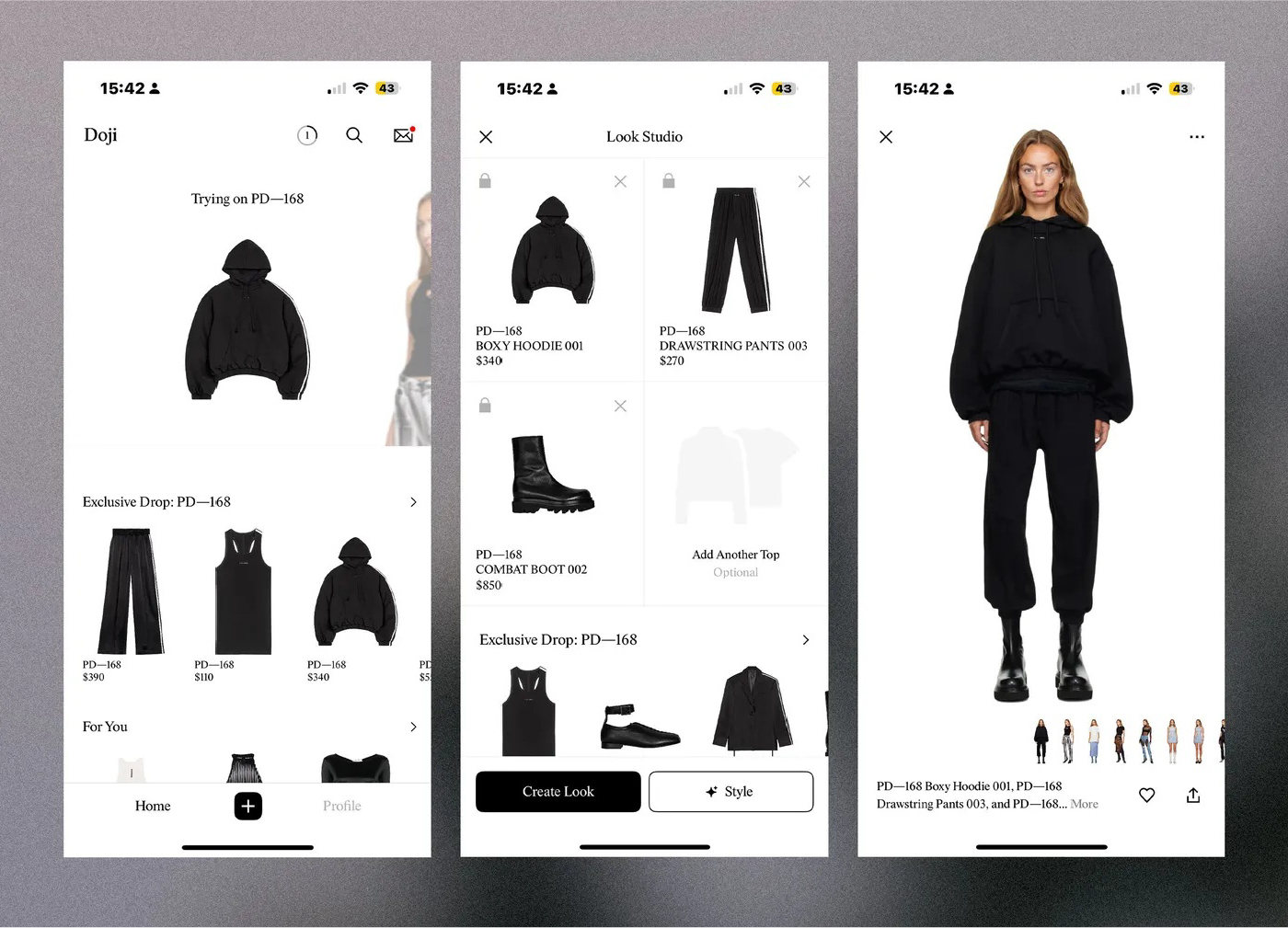
AI and augmented reality allow customers to preview clothes, furniture, or makeup virtually before purchase. Shoppers gain confidence by seeing how products look on them or in their homes.
Fewer returns, higher satisfaction, and more engaging shopping experiences. Vogue Business reports that virtual try-on is becoming a retail norm in 2025.
Why This Matters for Your Business
- Trust and Loyalty: Customers feel recognised as individuals, not numbers.
- Reduced Friction: Faster, easier journeys mean less frustration and fewer drop-offs.
- More Conversions: Personalised recommendations and immersive shopping tools push browsers toward buying.
- Efficiency: AI automates repetitive tasks, letting human agents focus on meaningful interactions.
Challenges to Keep in Mind
- Data Privacy: Personalisation relies on customer data, so transparency and compliance (GDPR, CCPA) are crucial.
- Automation Balance: Bots are great for scale, but human empathy is irreplaceable. Hybrid models work best
- Avoiding “Creepiness”: Over-personalisation can feel invasive. Give users control.
- Bias Risks: AI must be trained responsibly to avoid unfair recommendations or treatment
What’s Next in 2025
- Generative AI will summarise reviews or feedback, helping shoppers decide faster (Bain).
- Multilingual AI support will break down language barriers, enabling real-time translation (Crescendo).
- Emotionally adaptive agents will change tone and approach based on customer mood.
Building Smarter Experiences With AI
In 2025, AI isn’t replacing human customer experience; it’s amplifying it. Businesses that combine automation, personalisation, and empathy are pulling ahead.
For more on building seamless experiences, check out our article on How Responsive Design Shapes Ecommerce in 2025. Together with responsive design, AI is ensuring that every touchpoint feels fast, personal, and trustworthy.






One Response
🙂