

Google Ads is constantly improving, and automation is becoming a key part of how pay-per-click (PPC) campaigns are run. With advancements in machine learning and artificial intelligence, Google Ads automation is making campaigns more efficient and data driven. This article explains how automation is changing PPC strategies, improving performance, and providing a better user experience.
1. Understanding Google Ads Automation
Google Ads automation uses algorithms to manage and optimize ad campaigns with minimal human effort. The main automation tools in Google Ads are:
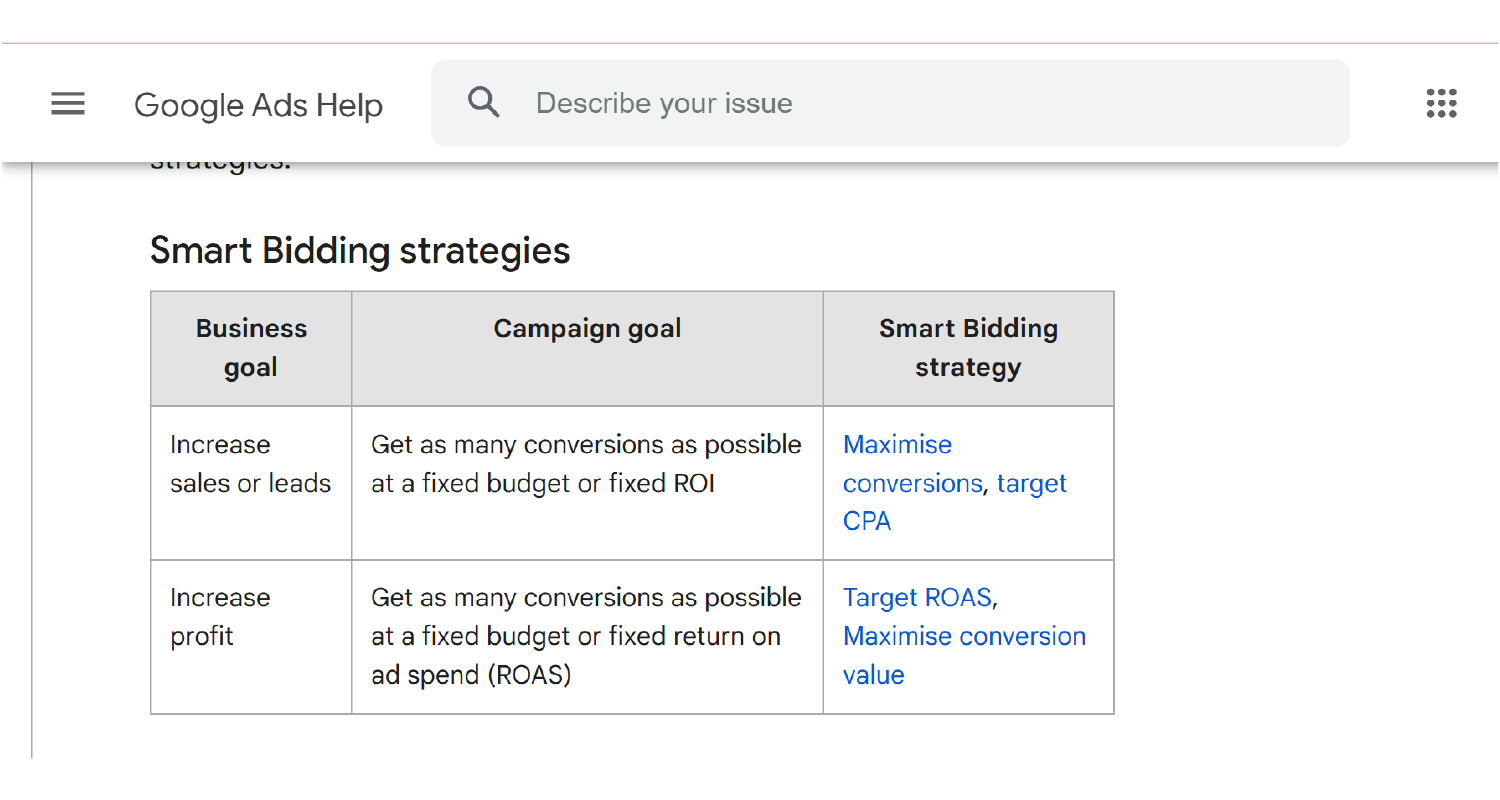
- Smart Bidding: Google’s system automatically adjusts bids to achieve specific goals like increasing conversions or keeping the cost per acquisition (CPA) low.
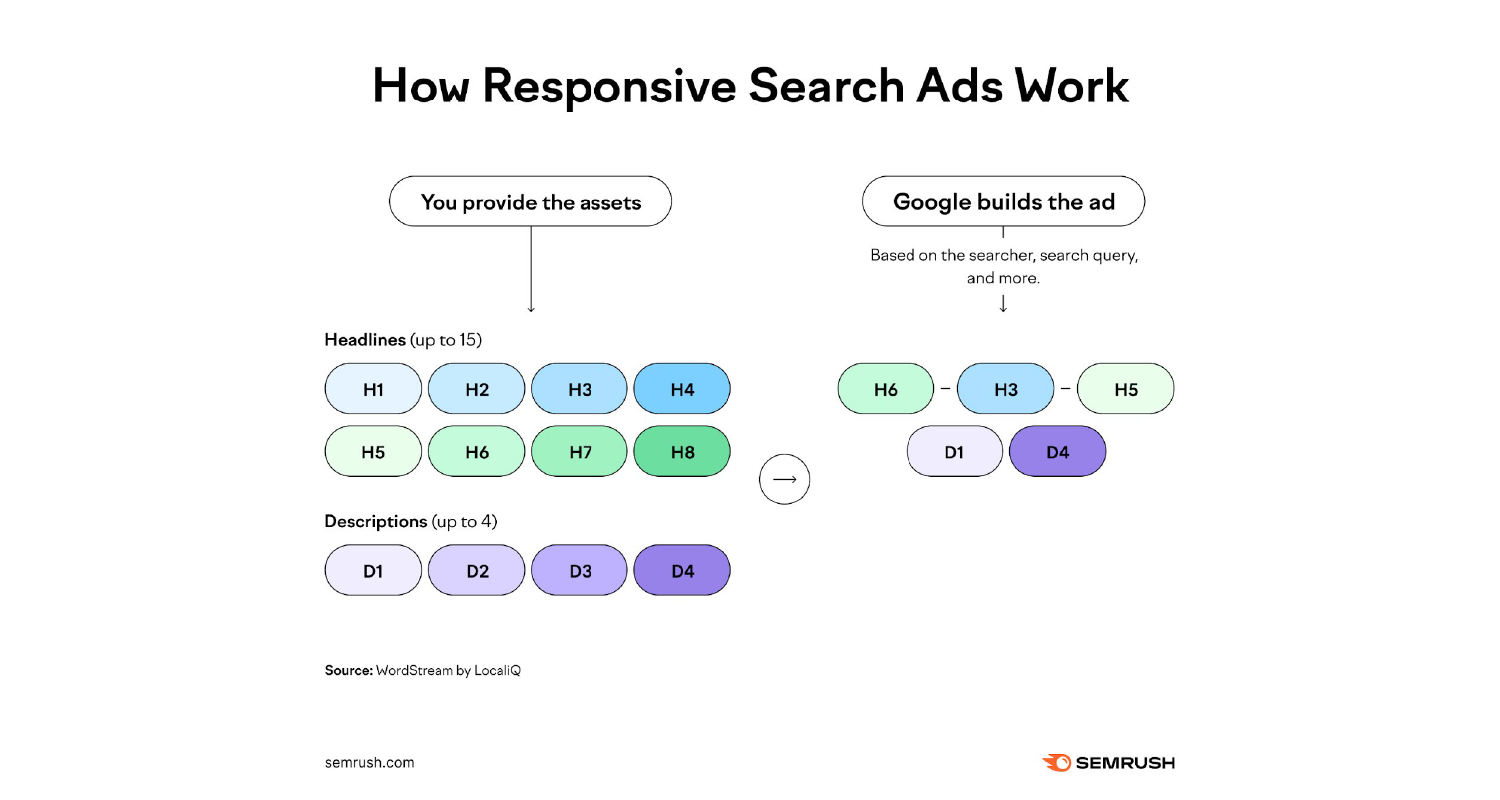
- Responsive Search Ads (RSAs): Advertisers give Google multiple headlines and descriptions. Google’s AI then combines them to create the best-performing ads.
- Dynamic Search Ads (DSAs): These ads automatically generate based on website content, making it easier to target different search queries without needing extensive keyword research.
2. The Rise of Smart Bidding
Smart Bidding is one of the most significant innovations in Google Ads automation. It uses machine learning to adjust bids in real-time, considering factors like device, location, and the likelihood of a conversion. According to Google, advertisers using Smart Bidding see 30% more conversions on average compared to manual bidding.
For video ads using Smart Bidding, Google Ads analyzes conversion data to predict how likely engagement with your video ad will lead to a conversion. Engagements for TrueView for Action ads are defined as clicks on the ad or watching at least 10 seconds. If both occur, only the click is counted. Watching 10 seconds counts as a website conversion if it happens within three days.
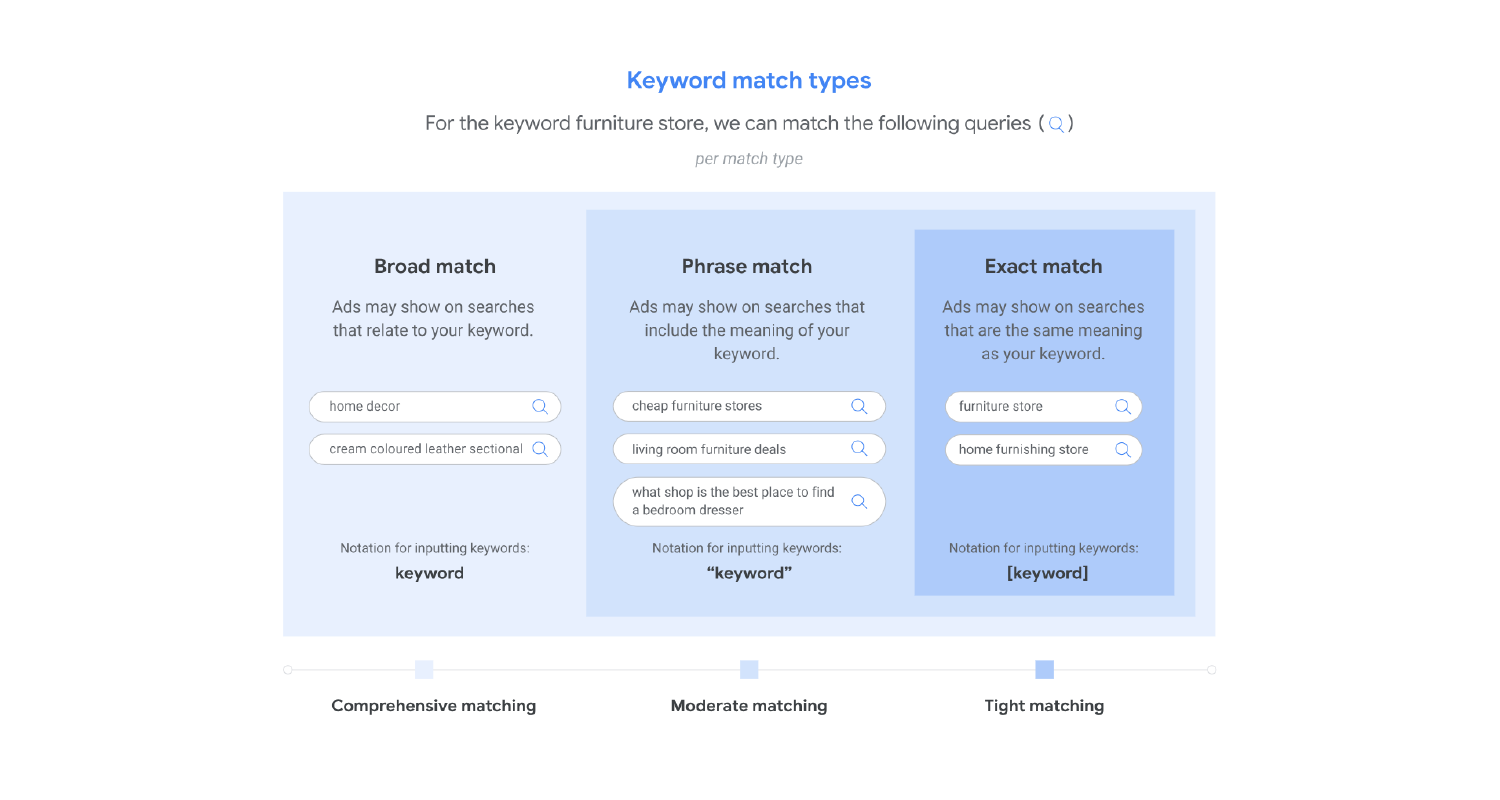
To enhance your Smart Bidding campaigns, use broad match keywords, which work well with strategies like Maximize Conversions and Target CPA.
3.Enhancing Creativity with Responsive Search Ads
Responsive Search Ads let advertisers submit multiple headlines and descriptions. Google then mixes and matches these to find the best combination. This makes ads more relevant and engaging for different search intents. Google says RSAs can lead to more clicks and more conversions than regular text ads.
4. Reaching More People with Dynamic Search Ads
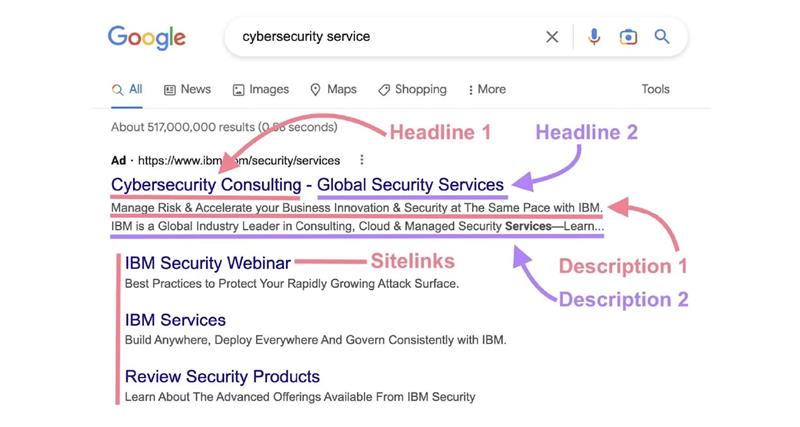
Dynamic Search Ads automatically creates ads based on your website’s content. This is helpful for businesses that might miss some potential customers using keyword targeting alone. DSAs help advertisers fill in gaps in their keyword strategies and reach more people, especially for long-tail searches.
Here’s a Dynamic Search Ad example:
5. How Machine Learning Improves Ad Performance
Google’s machine learning analyzes large amounts of data to make better decisions about where to show ads, what bids to set, and who to target. It can spot patterns that human marketers might miss, leading to better campaign results.
An e-commerce business might use automated insights to discover that specific audiences respond better to ads featuring discounts. Google’s system can then adjust the ad targeting accordingly to maximize conversions.
- Challenges and Things to Consider
While automation brings many benefits, advertisers should be aware of some challenges:
- Less Control: Depending too much on automation might mean losing control over some details of your campaign. It’s important to regularly check performance and adjust when needed.
- Learning Period: It can take some time for automated systems to collect enough data to work optimally. Advertisers need to be patient and willing to experiment with different strategies.
Conclusion
As Google Ads’ automation reshapes PPC campaigns, advertisers must adapt to leverage these tools effectively. Smart Bidding, Responsive Search Ads, and Dynamic Search Ads are not just trends; they are transforming how businesses reach and engage their target audiences. By embracing automation while remaining mindful of its limitations, advertisers can enhance their PPC strategies, drive better results, and ultimately stay ahead of the competition in the fast-evolving digital world. Learn more (Selecting the Right AI Tools for Your Business)
References
- Google Ads Help. (n.d.). Smart Bidding Overview. Retrieved from Google Ads Help.
- Google Ads Help. (n.d.). Responsive Search Ads. Retrieved from Google Ads Help.
- Google Ads Help. (n.d.). Dynamic Search Ads. Retrieved from Google Ads Help.
- Google. (2023). Google Ads Automation: A New Way to Manage Your Campaigns. Retrieved from Google Ads Resources.
- HubSpot. (2023). How to Use Responsive Search Ads in Google Ads. Retrieved from HubSpot Blog.







2 Responses
gulfarazahmed08@gmail.com
gulfarazahmed08@gmail.com