
Voice search is transforming how users engage with technology. Users have seamlessly integrated voice-based queries into their everyday activities with the widespread adoption of smart devices such as Google Assistant, Alexa, and Siri. As we approach 2024, experts project that over 80% of these searches will be conversational, which makes voice search optimization (VSO) a critical priority for businesses aiming to stay competitive. This shift from traditional search methods demands a different approach to content strategy, tailored specifically for voice queries.
What is Voice Search Optimization (VSO)?
Voice search optimization is modifying your website content to improve its chances of being retrieved by voice search queries. Unlike traditional text searches, voice queries are typically more conversational and long-winded. As a result, optimization strategies should prioritize natural language and long-tail keywords.
For example, while someone typing a search query might write “best Italian restaurants,” a voice search query could be, “What are the best Italian restaurants near me?” The rise of voice search means businesses needs to start thinking about how people speak rather than how they type.

Why Voice Search Matters?
Voice search has become essential for businesses today. Many homes now have smart speakers like Alexa or Google Home, and a vast amount of people use voice search on their smartphones. This trend offers a great chance for local businesses to boost their visibility online.
Voice searches often ask direct questions, and users depend on these searches to find quick and relevant answers. This makes it important for businesses to show up in voice search results, especially for inquiries about their products or services. Optimizing voice search can help businesses connect with more customers in their local area.
Key Differences Between Voice Search and Text Search
- Conversational Queries: Voice search is more conversational, with users asking complete questions as they would in conversation. This necessitates a more natural tone in website content.
- Longer Queries: Voice searches tend to be lengthier. For instance, while someone might type “weather in New York,” a voice search may sound like, “What’s the weather going to be like in New York tomorrow?”
- Question-Based Search: Users often phrase voice queries as questions, such as “How do I fix a leaky faucet?” or “Where can I find affordable flights to Paris?” Focusing on these types of queries can enhance your chances of appearing in voice search results.
- Local Intent: Voice search is particularly advantageous for local businesses. Users commonly ask for nearby services, such as “Where’s the nearest coffee shop?” or “What are the best pizza places near me?” Optimizing voice search is crucial for businesses that cater to local customers.
1. Use Natural Language and Conversational Keywords
Since voice searches are more conversational, it’s essential to use natural language in your content. The more your content mirrors how people speak, the more likely it will show up in voice search results.
For example, instead of focusing on keywords like “best coffee shops in New York,” you could phrase it as, “What are the best coffee shops in New York?” Tools like AnswerThePublic can help you understand the common questions people are asking in your niche, allowing you to incorporate these queries naturally into your content.
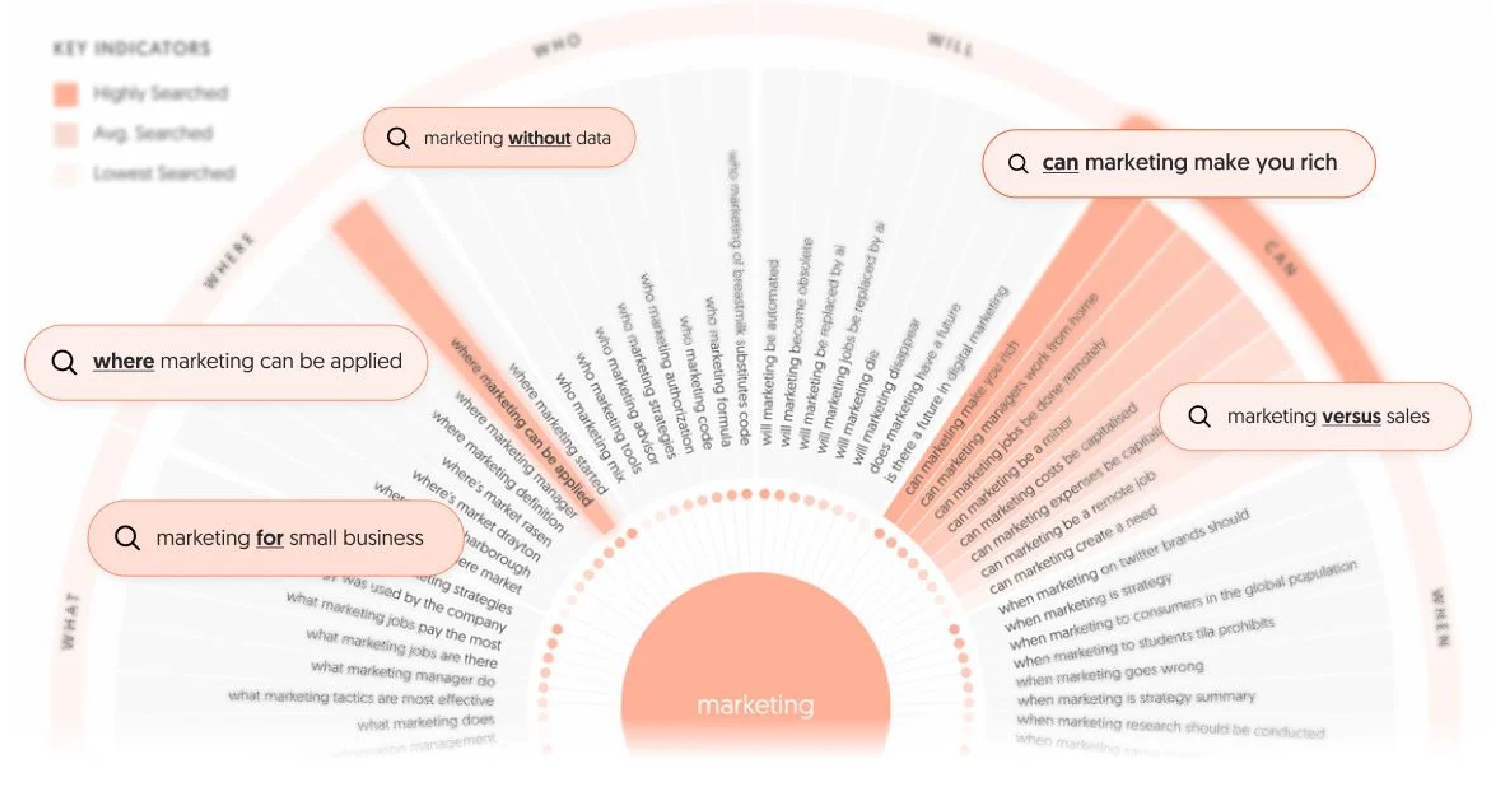
Source: AnswerThePublic
2. Focus on Long Tail Keywords
Voice search queries are typically longer than text searches. Optimizing for long-tail keywords can increase your chances of ranking in voice search results. Long-tail keywords are more specific and tend to capture the intent behind a query.
For example:
- Text search: “best coffee shop”
- Voice search: “Where can I find the best coffee shop near me?”
Use keyword research tools like SEMrush or Moz to find long-tail keywords that align with your audience’s voice search habits.
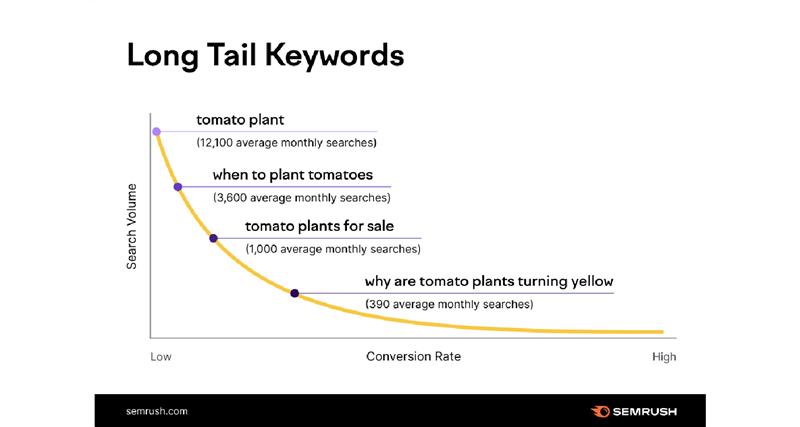
Source: SemRush
3. Create Question-Focused Content
Since many voice search queries are phrased as questions, it’s crucial to create content that directly addresses these queries. A great way to achieve this is by developing FAQ pages or blog posts that focus on answering common questions your audience might ask. These pages can significantly boost your chances of ranking in voice search results.
For instance, if you run a dental practice, you could create an FAQ page addressing questions like, “How often should I visit the dentist?” or “What is the best method for whitening teeth?” By providing clear, concise answers to such questions, you’re more likely to appear as the top result when users ask similar queries through voice search.
4. Optimize for Featured Snippets
Featured snippets (often referred to as position zero) are the short, summarized answers that appear at the top of Google’s search results. These are often the results read aloud by voice assistants during voice searches.
To optimize for snippets:
- Structure your content with clear headings.
- Provide concise, direct answers to common questions.
- Use bullet points or numbered lists to make content easier for search engines to read.
5. Improve Website Speed
Site speed is a critical factor in how Google ranks websites for voice search. If your site loads slowly, it may be excluded from voice search results altogether. To enhance your website’s speed, consider implementing the following strategies:
- Use a Content Delivery Network (CDN): A CDN can help distribute your website’s content across multiple servers globally, reducing load times for users regardless of their location.
- Optimize Images: Compress images to reduce their file sizes without sacrificing quality, which can significantly speed up page load times.
- Minify CSS, HTML, and JavaScript: Remove unnecessary characters, comments, and formatting from your code to streamline file sizes and improve loading speed.
- Leverage Browser Caching: Enable caching to store frequently accessed data in users’ browsers, which can reduce load times for returning visitors.
To identify specific areas where your site can be optimized for speed, utilize Google’s PageSpeed Insights tool. This resource provides detailed reports on your website’s performance and actionable recommendations for improvement.
6. Leverage Local SEO
Voice search is often used for location-based queries. For instance, users may ask, “Where’s the nearest grocery store?” or “What time does the pharmacy close near me?” Optimizing your website for local SEO is crucial to ensure your business appears in these local searches, improving visibility and increasing traffic.
- Claim and verify your Google My Business listing: Ensure that your business is listed on Google and is verified. This makes it easier for voice assistants to pull your business information for relevant queries.
- Keep contact details updated: Ensure that your business’s name, address, phone number (NAP), operating hours, and any other relevant information are accurate and consistently updated across all platforms.
- Include local keywords: Incorporate local keywords, such as your city or neighborhood, into your titles, meta descriptions, and content to increase the likelihood of your website showing up in voice search results.
- Encourage customer reviews: Positive reviews not only increase trust in your business but also improve your rankings in local search results, which can play a significant role in voice search visibility.
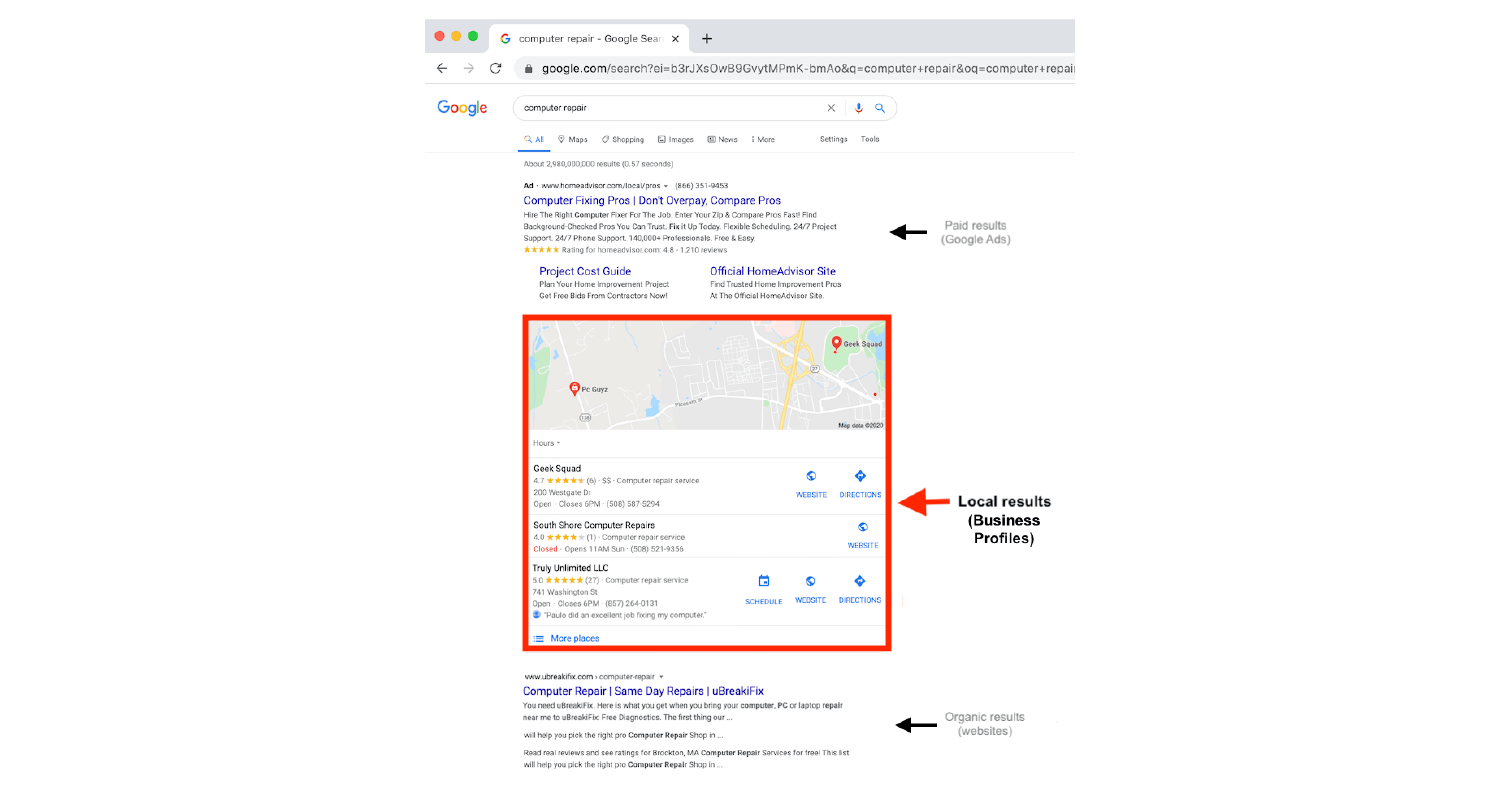
Source: Google
7. Use Structured Data (Schema Markup)
Structured data, also known as schema markup, helps search engines better comprehend your content and its context. By implementing structured data, you enhance the likelihood of search engines pulling relevant information to display as answers in voice search queries.
For example, using FAQ schema or Local business schema can significantly increase your chances of appearing in voice search results. This structured data provides clear signals to search engines about the content of your pages, improving your visibility.
Google has introduced its speakable schema, which allows search engines and apps to identify and read aloud content more effectively. This feature enhances the ability of applications to deliver information audibly, marking a significant step toward comprehensive audio web browsing.
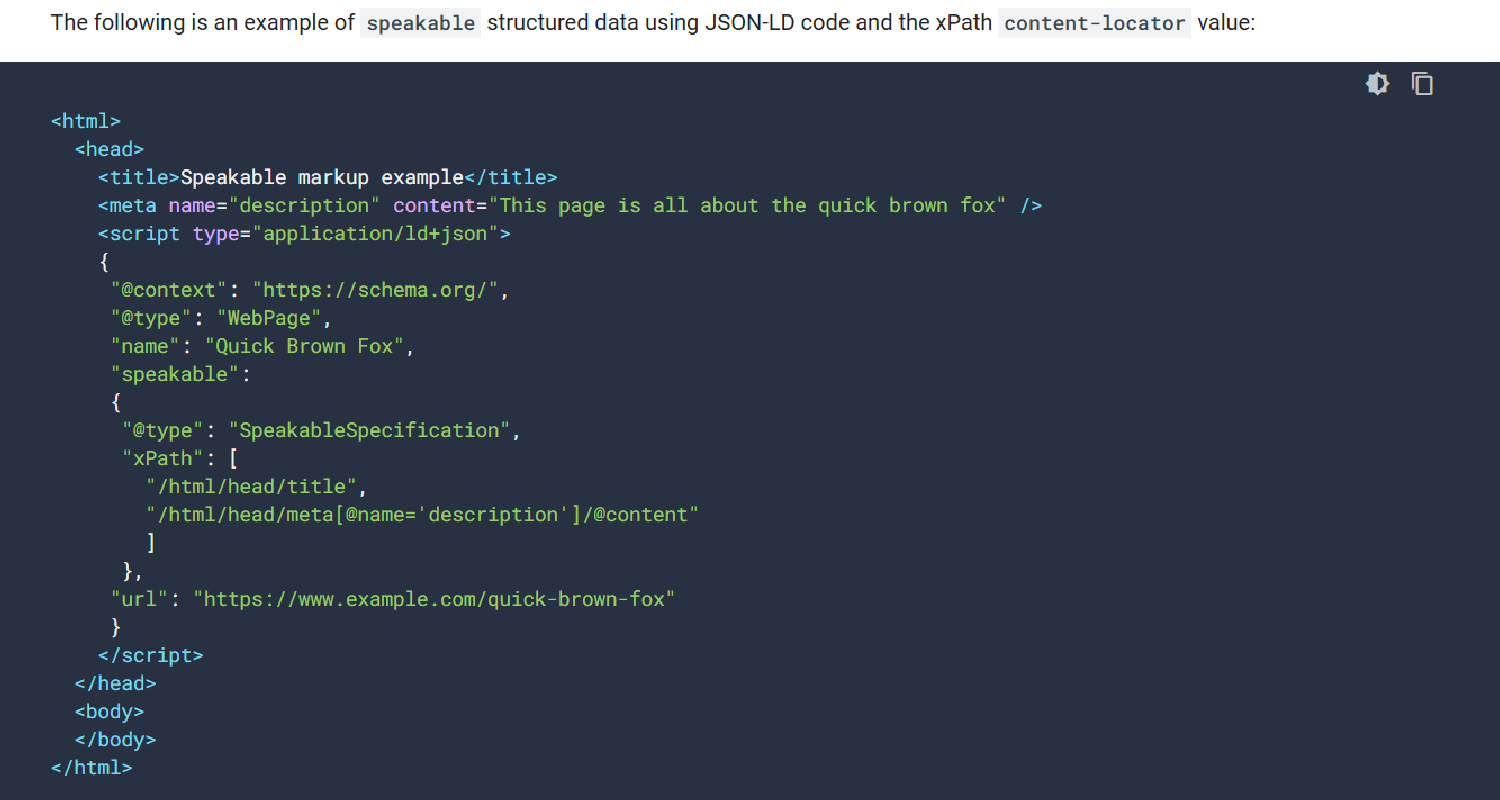
Source: GoogleSearchCentral
To learn how to effectively implement structured data on your website, refer to the Google guidelines on structured data. Following these guidelines can help optimize your site for voice search and improve your overall SEO strategy.
Conclusion
Voice search is rapidly becoming the norm in search behavior, with millions of users it for quick, hands-free answers. As the digital landscape evolves, businesses must adapt their content strategies to accommodate this shift.
By using natural language, focusing on long-tail keywords, optimizing for local SEO, and improving page speed, you can position your website to thrive in this voice-driven era. Implementing voice search optimization is no longer optional—it’s essential for remaining competitive and accessible.
References
- Search Engine Journal. (2024). Voice Search Optimization: Strategies and Best Practices for 2024. Retrieved from https://www.searchenginejournal.com
- Moz. (2024). How to Optimize for Voice Search in 2024. Retrieved from https://moz.com/blog
- AnswerThePublic. (2024). How People Ask Questions in Voice Search. Retrieved from https://answerthepublic.com
- Google Search Central. (2024). Guide to Using Speakable Schema for Voice Search. Retrieved from https://developers.google.com/search/docs
- SEMrush. (2024). Finding Long-Tail Keywords for Voice Search Optimization. Retrieved from https://www.semrush.com
- Google My Business. (2024). Claim and Optimize Your Google My Business Listing. Retrieved from https://support.google.com/business
- PageSpeed Insights. (2024). Improve Your Website Speed for Better Voice Search Performance. Retrieved from https://developers.google.com/speed/pagespeed