

Google’s Core Web Vitals are now a big deal in SEO, and it’s time to pay attention. These metrics directly impact your website’s search rankings and overall user experience. In this guide, let’s break down Core Web Vitals, why they matter, and how you can stay ahead in 2024.
What Are Core Web Vitals?
Core Web Vitals are a set of three metrics that Google uses to measure your website’s user experience:
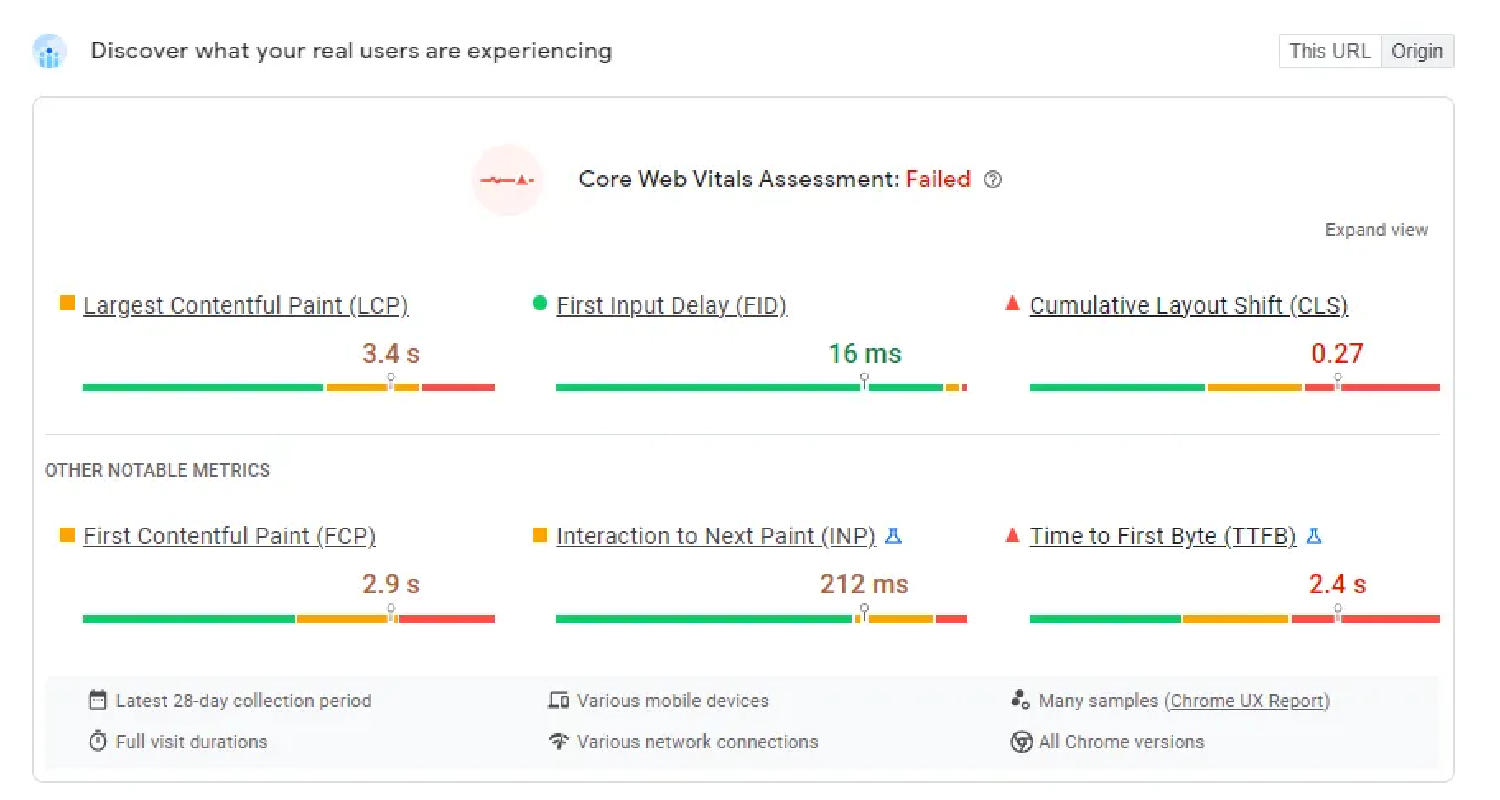
- Largest Contentful Paint (LCP): Measures how fast the main content loads. Aim for under 2.5 seconds.
- First Input Delay (FID): Gauges how quickly your site responds to user interactions. Shoot for less than 100 milliseconds.
- Cumulative Layout Shift (CLS): Checks if your page layout changes as it loads. Keep this under 0.1.
Additional metrics include:
- First Contentful Paint (FCP): Time until the first content appears. Ideal: under 1.8 seconds.
- Time to First Byte (TTFB): Measures server responsiveness. Aim for under 800 milliseconds.
- Total Blocking Time (TBT): Reflects the delay in page interactivity. Keep it below 200 milliseconds.
These metrics aren’t just numbers. Google uses them to see if your site is fast, responsive, and stable.
Source: Google
Why Are Core Web Vitals So Important Now?
1. Google’s Page Experience Update
Since Google started using Core Web Vitals as a ranking factor, they’ve become even more crucial. Sites that do well on these metrics often rank higher. If you want to stay visible in search results, you can’t ignore them.
2. Better User Experience
Users are more likely to leave a site if it loads slowly or is unresponsive. Websites meeting Core Web Vitals standards have a 24% lower bounce rate. Better scores mean happier users, which means better rankings.
3. Mobile-First Indexing Matters
Most people browse on their phones. 61.95% of website traffic comes from mobile. Good Core Web Vitals is necessary since Google ranks your site based on mobile performance.
4. Mobile-First Indexing Matters
Only 12% of websites meet Google’s Core Web Vitals requirements. By optimizing yours, you can outpace competitors and gain more organic traffic.
How to Optimize Your Core Web Vitals in 2024
Staying on top of Core Web Vitals can seem tricky, but it’s doable. Here’s what you can do:
- Use Faster Hosting: Switching to faster hosting or a CDN can significantly reduce load times, enhancing Core Web Vitals performance. Due to intelligent routing and failover capabilities, CDNs contribute to 99.99% uptime, ensuring consistent access and faster content delivery.
- Implement Lazy Loading: Only load images and videos as users scroll. This reduces initial load times and helps with LCP.
- Use WebP and AVIF Formats: These image formats are smaller and faster to load. WebP images are up to 30% smaller than JPEGs【Google Web Dev, 2023】.
- Minimize JavaScript: Too much JavaScript slows things down. Try deferring non-essential scripts to boost FID.
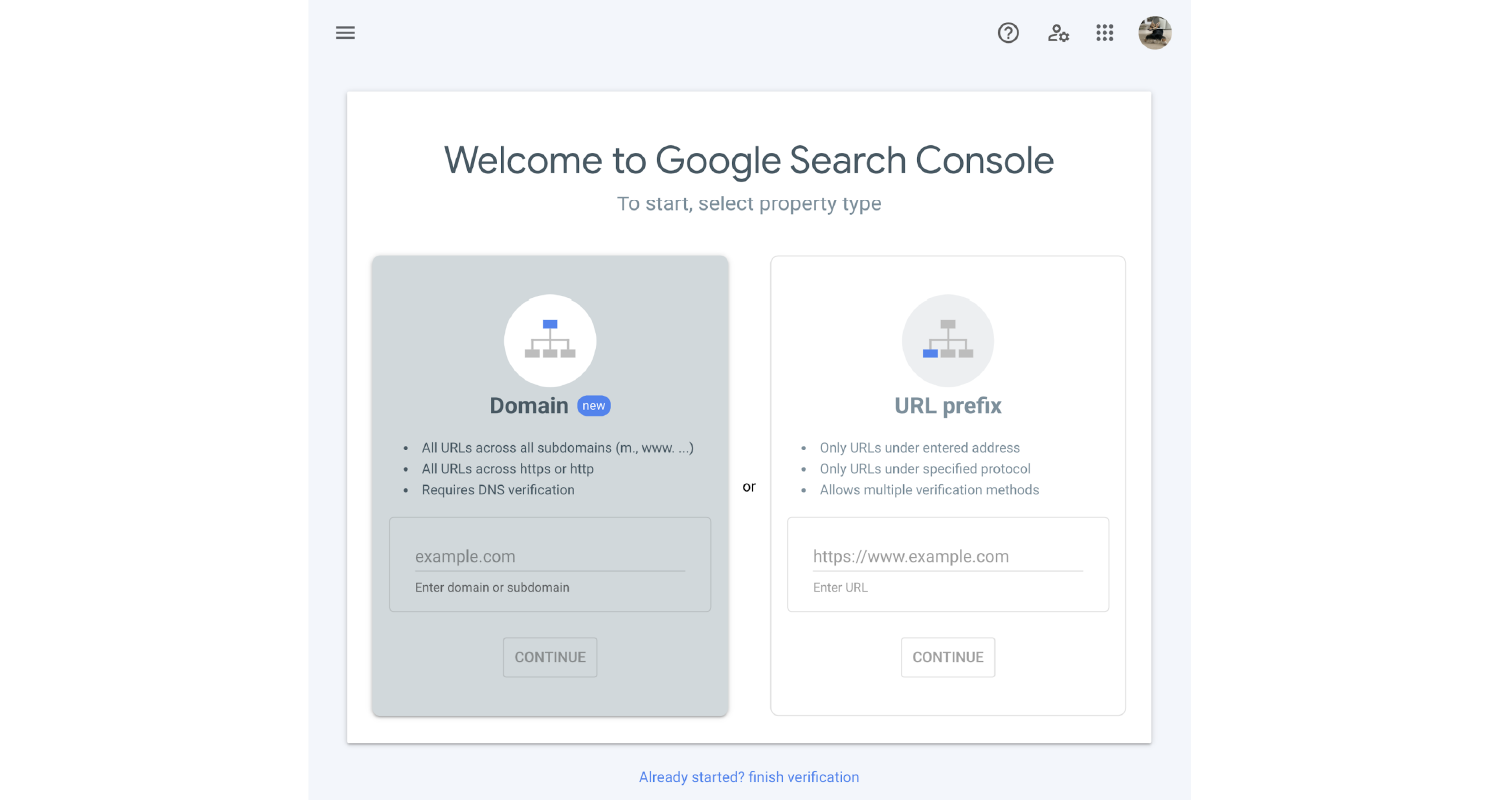
- Regularly Test Your Site: Use tools like Google Search Console, PageSpeed Insights, or Lighthouse to check how you’re doing. Regular testing helps you spot issues before they become more significant problems.
Source: Google
Final Thoughts
Google’s Core Web Vitals aren’t just another SEO buzzword. They’re a real game-changer for your website’s rankings in 2024. By focusing on these metrics, you’re not just pleasing Google; you’re offering a better experience to your users. So, start optimizing today, and you’ll be set for SEO success in the year ahead.
References
- Google Web Dev. (2023). Image formats: AVIF vs WebP vs JPEG. Retrieved from Google Developers
- Google Search Central. (2024). Core Web Vitals. Retrieved from Google Search Central
- Google. (2021). Page Experience Update: What you need to know. Retrieved from Google Search Central
- Statista. (2024). Mobile internet traffic as a share of total web traffic worldwide from 2016 to 2024. Retrieved from Statista
- Google Developers. (2024). Measure and improve Core Web Vitals. Retrieved from Google Developers
- Google Search Central. (2024). Understanding the mobile-first indexing. Retrieved from Google Search Central
- W3Techs. (2024). Usage Statistics and Market Share of Content Delivery Networks for Websites. Retrieved from W3Techs
- Google Developers. (2023). Reduce JavaScript Execution Time. Retrieved from Google Developers







14 Responses
gulfarazahmed08@gmail.com
gulfarazahmed08@gmail.com
gulfarazahmed08@gmail.com
Great article!
Great article!
Great article!
Great article!
Great article!
Great article!
Great article!
Great article!
Great article!
Great article!
Great article!