Web design in 2025 is no longer static. It moves, reacts, and tells stories. Motion graphics and micro-animations are transforming how users experience the web by making digital spaces feel alive, intuitive, and expressive.
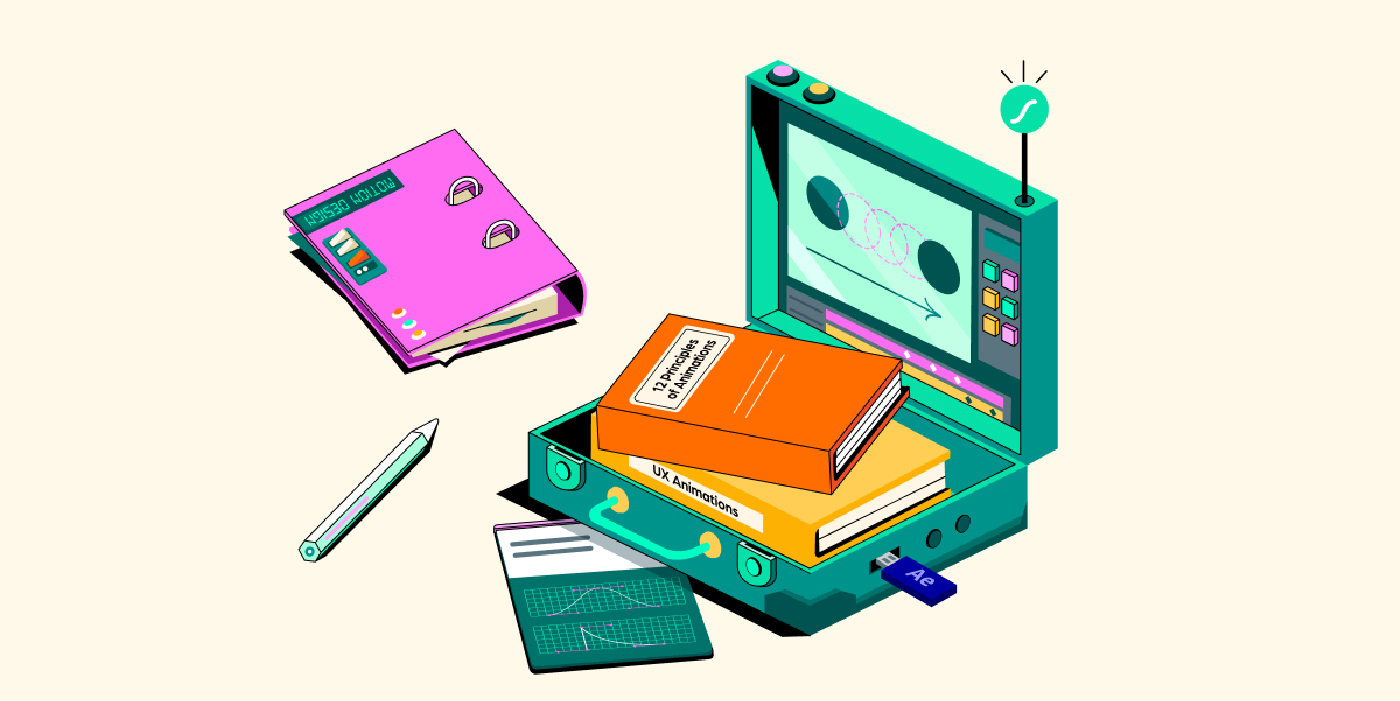
Let’s explore how animation enhances engagement, usability, and storytelling in modern web design.
TL; DR: Quick Takeaways
- Motion graphics guide users and create seamless digital storytelling.
- Micro-animations make navigation feel natural and responsive.
- Accessibility and speed are as critical as aesthetics.
- Animation now shapes brand identity, not just interface flow.
- Designers use AI tools and motion systems to automate consistency.
Why Motion and Micro-Animations Matter in 2025
In a world where users judge sites in under 50 milliseconds, subtle motion captures attention without overwhelming.
According to Adobe’s Future of Digital Design Report, websites with interactive motion elements see 27 percent higher engagement than static ones (Adobe Blog).
Micro-animations, like button ripples, hover glows, or smooth page fades, act as visual feedback loops that tell users, “Your action worked.”
The Evolution of Motion in Modern Web Design
Motion once meant flashy intros. Now, it means functional storytelling. Designers use movement to:
- Highlight CTAs and guide user flow
- Smoothly transition between sections
- Convey emotion and brand personality.
A motion design example – Duolingo’s animated owl celebrates every time you finish a lesson in the app.
Frameworks like Framer Motion and Lottie make these effects fast and lightweight. See why Lottie is becoming the web’s preferred motion standard on LottieFiles. (LottieFiles)
Micro-Animations: Small Details, Big Impact
Micro-animations enhance usability by offering feedback, not distraction.
Examples:
- Buttons that subtly brighten on click
- Icons that pulse gently to confirm interaction
- Progress bars that animate smoothly to indicate loading
A study from UX Collective shows motion feedback can cut task completion time by 18 percent (UX Collective).
How Motion Strengthens Brand Storytelling
Motion builds emotion into brand identity. A logo that unfolds gracefully or a headline that glides in sync with scroll speed feels intentional and human.
Brands like Spotify and Airbnb use animated transitions to reflect rhythm and warmth, turning static design into a living narrative.
Balancing Motion: Accessibility and Performance
Too much animation hurts performance and accessibility. The solution is an intentional design. Optimize all animations for Core Web Vitals.
Offer a “Reduce Motion” option for sensitive users.s
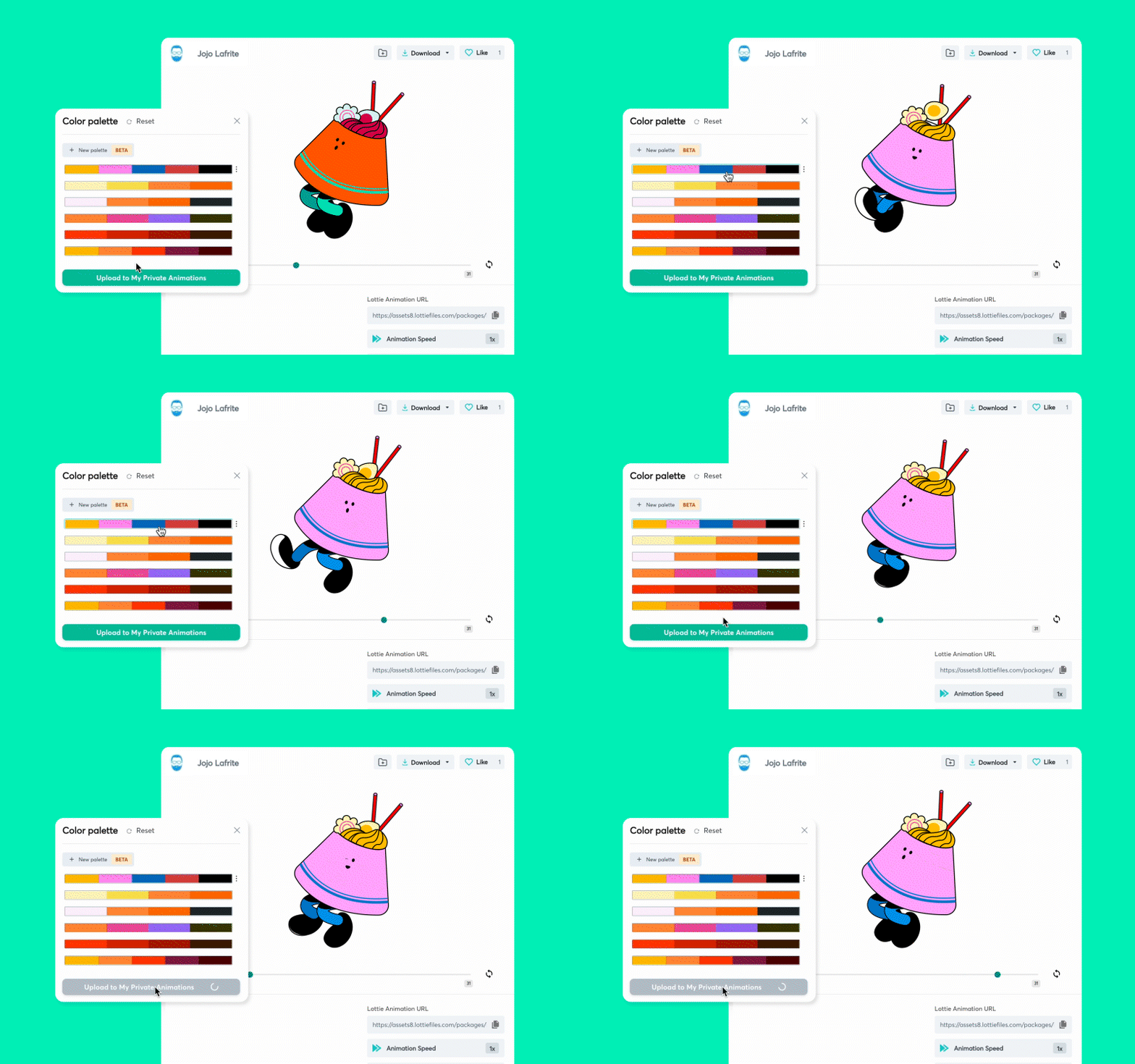
Use compressed Lottie or vector formats
As discussed in Collaborative Design with Figma: A Practical Guide (2025 Edition), testing animation inside prototypes ensures accessibility and team alignment before launch.
Integrating Motion into Design Systems
In 2025, animation is part of design DNA, not an afterthought.
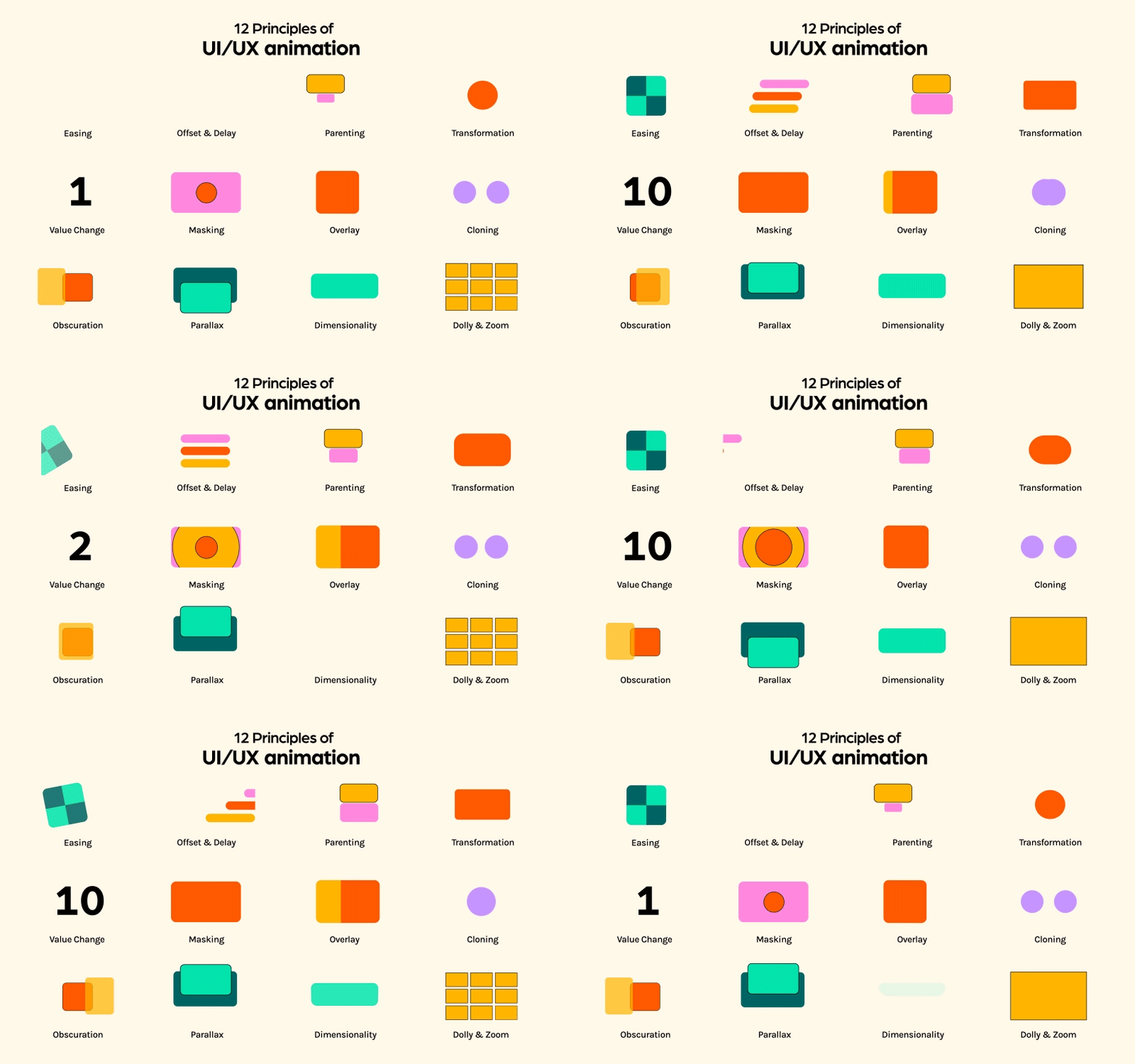
- Design tokens define duration, easing, and delay globally.
- Component libraries hold reusable animated states.
- AI-based motion tools auto-generate transitions based on intent
Data-Driven UX and Motion
Motion should be informed by user behavior, not guesswork. The Impact of Data-Driven UX Design on Website Success Shows how analyzing engagement data helps pinpoint where animations enhance comprehension instead of slowing it down.
When designers measure hover rates, dwell time, and scroll behavior, motion becomes a data-backed design decision.
The Future of Motion in Web Design
By late 2025 and beyond:
- AI will auto-adapt motion based on device and context
- 3D graphics will merge with motion for immersive storytelling
- Voice and gesture triggers will extend animation into AR webspaces
The web is evolving from “responsive” to “expressive.” Sites that move naturally will win both engagement and trust.
Inserting image…
Motion Is the New Language of Design
Motion graphics and micro-animations are redefining how brands communicate online. When used thoughtfully, they don’t just delight users; they clarify, connect, and convert.
Websites that move with purpose will stand out in 2025’s fast-scrolling world.