

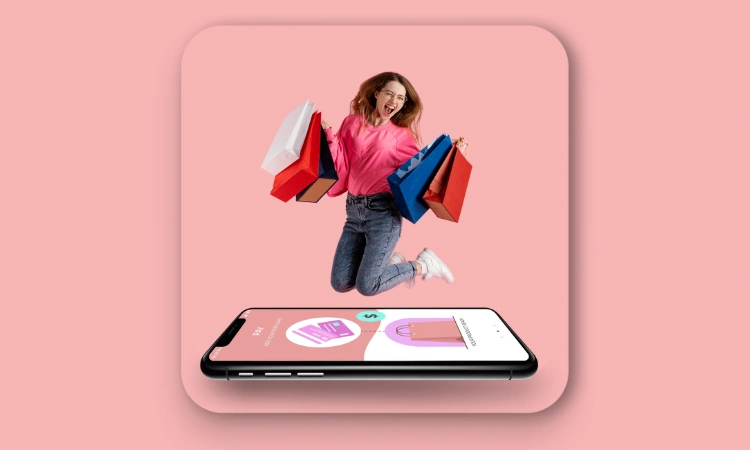
Imagine scrolling through Instagram and spotting an outfit that catches your eye. You tap on it and, boom – you can buy it right there. No extra steps. Just one smooth transaction. That’s the power of shoppable content, and it’s quickly becoming the key to a more seamless shopping experience in 2025.
With more and more people shopping directly from their devices, online retail is changing fast. Shoppable content isn’t just a “nice-to-have” feature anymore; it’s a necessity for brands looking to make every moment with their customers a chance to make a sale.
What Exactly is Shoppable Content?
In simple terms, shoppable content allows consumers to buy products directly from the content they engage with. Whether it’s a social media post, a blog, or a video, shoppable content turns what would normally be passive viewing into an active shopping experience.
You’ve seen it before:
- Shoppable Images: A photo where you can click on an item to purchase it directly.
- Shoppable Videos: A video where products are tagged, allowing you to buy them as you watch.
- Shoppable Social Media Posts: Instagram and Facebook let you tap on tagged products to buy them instantly.
- Shoppable Articles: Blogs or editorials that link directly to products as you read.
Why Shoppable Content Matters in 2025
If you’re not using shoppable content in 2025, you’re missing out on serious sales potential. Here’s why it’s so important:
1. It Boosts Conversion Rates
When you eliminate the friction between seeing a product and buying it, customers are more likely to purchase. Shoppable content takes away the hassle of navigating through multiple pages or tabs – making it an incredibly smooth and fast process. According to studies, brands that use shoppable content see significantly higher conversion rates.
2. It Increases Engagement
Shoppable content isn’t just about selling; it’s about getting your customers to interact more with your brand. The more they engage, the more they’re likely to buy. With interactive elements like clickable tags or videos, people tend to spend more time on your platform, which increases their chances of purchasing.
3. It Provides Valuable Insights
When you track which items people click on in shoppable content, you gain powerful insights into what your customers want. Are they more interested in fashion, home decor, or beauty products? This data can help you optimize your strategy, ensuring you’re offering exactly what your customers are looking for.
Brands That Are Doing Shoppable Content Right
Big brands have already figured out how to use shoppable content effectively. They’re not just making sales – they’re creating interactive, memorable shopping experiences for their customers.
- Nike: Nike uses shoppable Instagram posts to allow users to buy their gear directly from the platform. Their strategy makes it easy for followers to shop for the products they see in posts. Nike on Instagram.
- Amazon: Amazon allows creators to add clickable product links in their videos, turning product demos into easy shopping experiences. You can purchase anything you see being used right from the video. Amazon on YouTube.
- L’Oréal: L’Oréal partners with beauty influencers to showcase their products through shoppable video content. This makes it easy for viewers to purchase as they watch tutorials.
- BuzzFeed: BuzzFeed has been leveraging shoppable content for years, especially in articles and quizzes. They feature clickable links to products mentioned within their content, making it a breeze for readers to shop while they consume. BuzzFeed Shopping.
How to Start Using Shoppable Content
Here’s how you can start integrating shoppable content into your strategy:
- Choose the Right Platforms Where is your audience hanging out? If your customers are spending time on Instagram, Facebook, or Pinterest, these platforms are perfect for shoppable content. Instagram’s shoppable posts and Facebook’s marketplace are great options. Instagram Shopping | Facebook Shops
- Create Compelling Content Shoppable content needs to feel natural and not like an ad. Think about how your product fits within your content. Whether it’s a lifestyle image, a how-to video, or a product review, your content should feel engaging and organic. Conversion Rate Optimization: Tips to Improve Your E-commerce Store
- Using the Right Tools Integrating shoppable content can be technical, but there are plenty of tools to help. Shopify, BigCommerce, and WooCommerce all make it easy to create shoppable experiences on your website. Shopify Shoppable Content | BigCommerce
- Optimize for Mobile More than half of all e-commerce sales now happen on mobile devices, so your shoppable content needs to be mobile-optimized. Make sure your shopping links, images, and videos are easy to access on a small screen. Mobile E-commerce Optimization
- Collaborate with Influencers Influencer marketing and shoppable content go together. Partner with influencers who align with your brand and let them showcase your products with shoppable links directly in their posts or videos.
Challenges to Keep in Mind
As with anything, there are a few challenges when it comes to shoppable content:
- Platform Limitations: Not all platforms support shoppable content. Be sure to check which features are available for your platform of choice before getting started.
- Technical Setup: Creating shoppable content can be technical. Whether you’re adding links to videos or making your website shoppable, you’ll need to make sure everything is set up correctly.
- User Experience: The key to successful shoppable content is a smooth user experience. Don’t make the buying process complicated. Keep it simple, quick, and intuitive.
Future of Online Shopping
Shoppable content isn’t just a trend; it’s the future of online shopping. By turning every piece of content into a potential sales opportunity, you can create a more engaging and profitable shopping experience.
If you’re an e-commerce brand looking to level up, it’s time to dive into shoppable content. The easier it is for customers to buy, the more likely they are to hit “Add to Cart.” Start integrating shoppable content today, and watch those sales soar!







One Response
gulfarazahmed08@gmail.com