AR (Augmented Reality) isn’t just a cool tech trend; it’s changing how we experience the world, especially in industries like retail, education, and entertainment. In our previous article on AR in retail, we covered how it’s revolutionizing the shopping experience. Now, let’s dive into how to design AR content that not only stands out but also delivers real value.
1. Always Think About the User
When creating AR content, user experience (UX) should be your top priority. AR bridges the gap between the digital and physical worlds, and you need to make sure the experience feels intuitive and natural. Whether it’s allowing users to virtually try on clothes or visualize products in their homes, make sure the AR features flow with what people naturally do.
Take IKEA’s app, for example. It’s user-friendly and helps customers see how furniture fits into their space before buying. This seamless experience is key to creating content that feels useful, not forced. Learn
2. Keep It Simple and High-Quality
More doesn’t always mean better. AR can be overwhelming if it’s crammed with too many features. Instead, focus on a few high-quality elements that enhance the experience. Overloading users with choices will just make them tune out.
YouCam Makeup nails this by offering a handful of essential makeup tools, making the experience straightforward and fun. The high-quality graphics and easy-to-use interface keep users coming back without feeling overwhelmed. This principle of simplicity is key to keeping your AR content effective and engaging.
3. Add Value, Don’t Just Entertain
AR is fun, but it’s even better when it solves a problem. If your AR content is only there for entertainment, it’s not going to be as impactful. Think about how your AR experience can make life easier for your users.
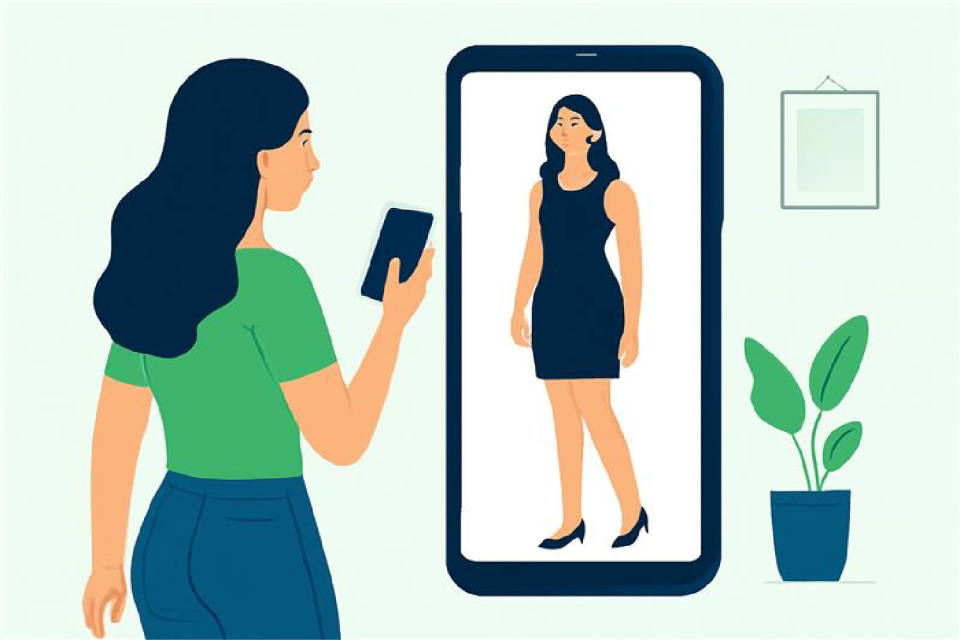
For example, in education, AR can turn a boring textbook into an interactive, immersive experience. In retail, AR helps customers make smarter buying decisions by allowing them to try on clothes or visualize how products will look in their homes.
Check out the Sephora Virtual Artist, which uses AR to recommend makeup based on past user preferences. It’s a great example of how AR can be both useful and fun, giving users personalized, data-driven experiences.
4. Make It Interactive
AR is at its best when it encourages users to interact. Don’t just let them look at things; let them play with them. Whether it’s rotating a 3D model of a product, trying on virtual clothes, or even gamifying the experience, the more users engage, the more likely they are to stick around.
Look at Pokémon Go. It’s not just about seeing AR content, it’s about interacting with it, catching Pokémon, and completing challenges. The interactivity keeps players coming back for more, and that’s exactly what you want for your AR content.
5. Optimize for Speed and Performance
Performance is everything. There’s nothing worse than lag or glitches when using AR. Your content needs to load quickly and run smoothly across different devices, especially since AR is becoming more common on smartphones.
Apple’s ARKit and Google’s ARCore are both tools that make it easier to design high-performance AR content. If you want your users to have a seamless experience, you need to optimize your content for mobile and wearables, making sure everything runs without a hitch.
6. Use Data for Personalization
AR content offers a huge opportunity to gather user data and personalize the experience. By tracking what users like or interact with, you can tailor the AR content to meet their specific preferences.
Take Amazon’s AR View. It lets you virtually place products in your space, and based on your past purchases, it can suggest similar items you might like. Personalization makes the experience feel more relevant, which leads to better engagement. AR content that’s tailored to the user’s needs will make a stronger impact.
7. Think About Accessibility
Good design means thinking about everyone, not just the tech-savvy. Make sure your AR content is accessible to people with different abilities. Consider features like text descriptions for visually impaired users or simple navigation for those with motor impairments.
Microsoft’s HoloLens does a great job at offering accessible AR experiences, and it’s something every designer should keep in mind.
8. Keep It Simple, But Stunning
At the end of the day, the best AR experiences are often the simplest. Don’t try to pack everything into one experience. Instead, focus on creating something that’s easy to use but still visually impressive.
Look at Google’s ARCore; it’s a no-fuss, smooth experience for bringing virtual objects into the real world. It’s simple but powerful.
Wrapping It Up: The Future of AR Content Design
Designing AR content is all about finding the balance between fun and functionality. By keeping the user in mind, optimizing for performance, and adding real value, you can create AR experiences that not only stand out but also achieve your business goals. The future of AR is here, and it’s only going to get bigger.
Ready to start designing AR content that connects with users? These tips are a solid foundation to help you create experiences that people want to interact with. If you haven’t already, check out our previous article on AR in retail for more insight into how this tech is changing the game.