Augmented Reality (AR) is no longer a futuristic concept; it’s actively reshaping how brands interact with consumers and how shoppers make decisions. From virtual try-ons to immersive commerce, AR is redefining convenience, engagement, and conversion rates in retail.
How AR is Changing the Retail Experience
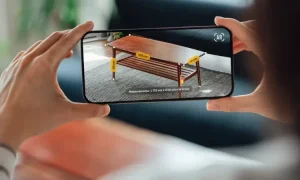
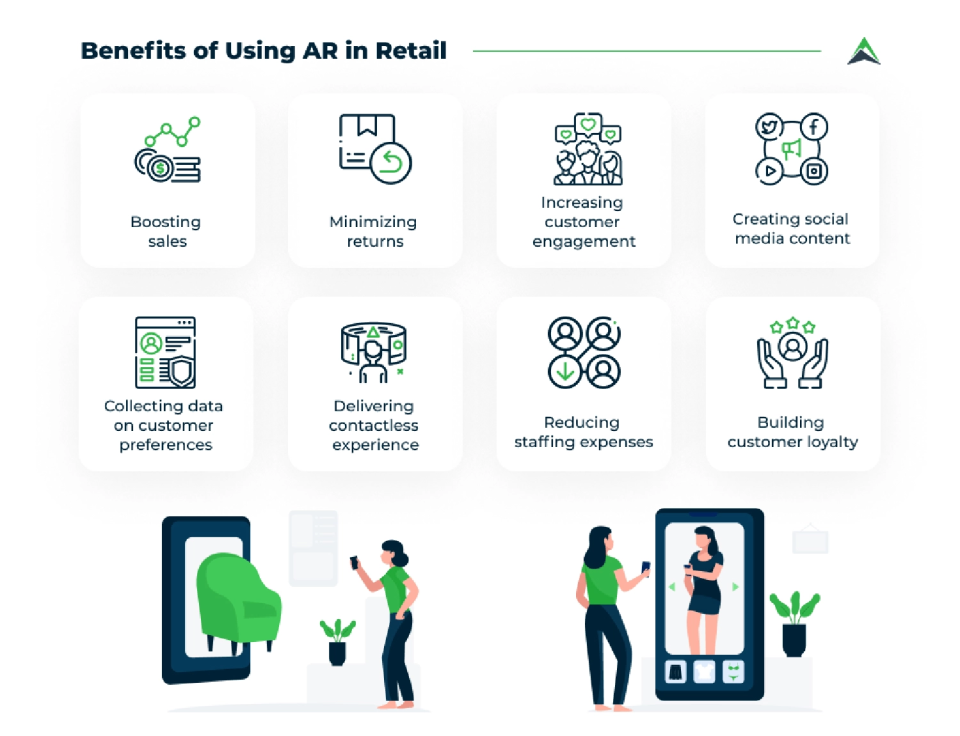
AR is making shopping more interactive, personalized, and easy. Imagine trying on clothes virtually or seeing how a new piece of furniture looks in your home without leaving your couch! This technology is helping retailers boost sales, cut down on returns, and engage customers in fresh ways. With AR, shopping is becoming smarter, simpler, and more fun for everyone.
Source: Easter Peak
Boosting Confidence & Purchase Decisions
Shoppers increasingly trust AR as a tool to guide buying choices. A recent NielsenIQ survey found that 56% of consumers feel more confident in product quality when using AR, and 61% prefer shopping at retailers offering AR experiences.
Other research highlights that 61% of shoppers favor retailers with AR, 71% say they’d shop more often, and 40% are willing to pay more if they can preview products virtually (Reydar). Industry forecasts also suggest that the AR retail market will be worth around $12 billion by 2025.
Immersive Shopping & Product Exploration
AR transforms passive browsing into interactive discovery. Instead of looking at static photos, consumers can visualize products in real-life contexts, for example, placing a sofa virtually in their living room before purchasing. This shift from “viewing” to “experiencing” creates stronger engagement and higher conversion rates, as explained by Fingent.
Retailers are also using AR overlays to present real-time product details, comparisons, and customer reviews, bridging the gap between online and offline shopping.
Real-World Applications: From Mirrors to Makeup
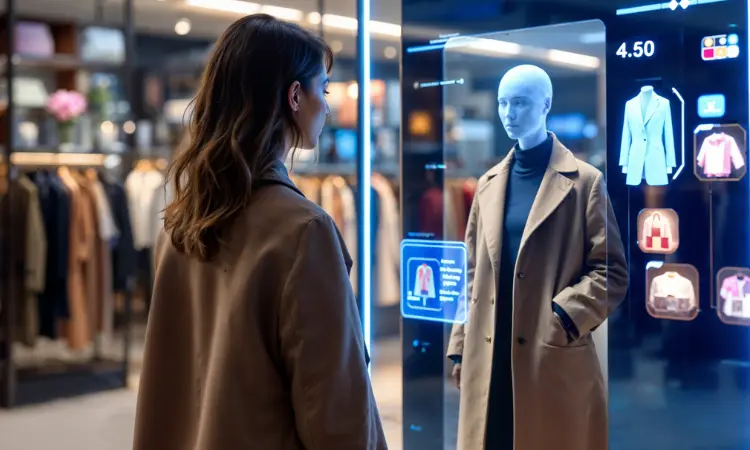
- Fashion Smart Mirrors: Retailers like Nike, Tommy Hilfiger, and Coach are experimenting with AR-enabled mirrors that allow customers to virtually try on outfits. These mirrors not only boost in-store engagement but also generate social buzz, according to Vogue Business.
- Jewelry AR: Cartier’s “Looking Glass” tool lets shoppers try on diamond rings in real time, adding an exclusive digital dimension to luxury shopping (Wired).
- Beauty AR: Tools from L’Oréal and YouCam Makeup enable users to test shades virtually, reducing return rates and increasing experimentation. AR is quickly replacing physical testers in beauty stores, as reported by Allure.
Immersive Commerce & Virtual Stores
AR is also a cornerstone of immersive commerce, where physical and digital shopping experiences blend seamlessly. Consumers can explore lifelike virtual stores via mobile devices or headsets, enhancing brand storytelling while retaining e-commerce convenience.
A study on ARShopping shows how in-store AR overlays help shoppers compare products, read reviews, and make faster decisions, directly influencing retail efficiency.
Digital Fashion & Virtual Try-Ons
The rise of digital fashion has expanded AR’s role beyond retail stores. Platforms like DRESSX allow users to purchase AR clothing for social media content, influencer campaigns, and even virtual events.
This shift toward digital wardrobes offers sustainability benefits as well, reducing the need for physical samples and fast fashion waste. Learn more about (Designing AR Content: Tips and Techniques)
Ethical & Accessibility Considerations
While AR brings huge benefits, it also raises questions about ethics and privacy. Data collection, biometric tracking, and personalized targeting must be handled transparently to maintain consumer trust.
Accessibility is another pressing issue. Research shows that immersive technologies often overlook users with visual, cognitive, or physical impairments, leaving a gap in inclusive retail design (arXiv study).
Why AR Matters for Retailers & Shoppers
| Benefit | For Retailers | For Consumers |
| Increased confidence & conversion | Higher sales through lifelike product visuals | More accurate purchase decisions |
| Enhanced engagement | AR boosts in-store and online experiences | Fun, interactive shopping journeys |
| Reduced returns | Lower costs from product mismatches | Products match real expectations |
| Brand differentiation | Tech-forward identity builds loyalty | Memorable, shareable experiences |
| Ethical & Inclusive Design | Transparency earns long-term trust | Accessibility benefits all users |
Shaping the Future of Retail with AR
From boosting confidence with virtual try-ons to creating entirely immersive brand universes, AR is redefining the shopping journey. As consumer expectations shift toward personalization and interactivity, retailers who invest in AR will gain a competitive advantage.
However, the future of AR in retail depends on balancing innovation with responsibility. Prioritizing ethics, privacy, and accessibility will ensure that AR enriches consumer experiences for everyone, not just the tech-savvy few.